
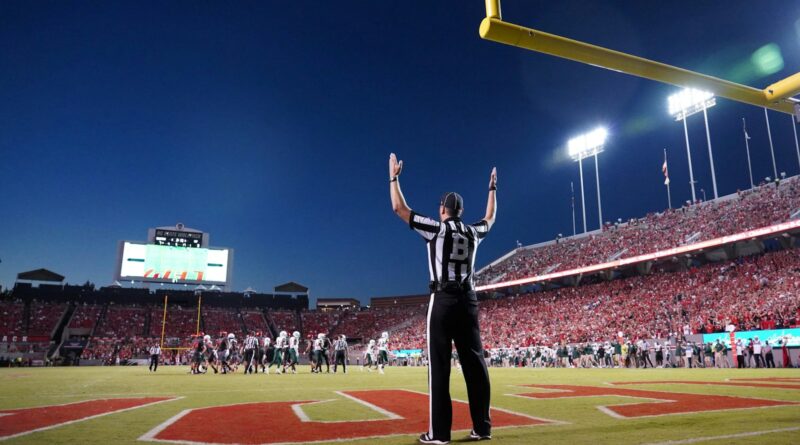
Arsenal 3-0 Man City: The Community Shield Statement That Sets Up 2026/27
Arsenal 3-0 Man City was the final score in the 2026 Community Shield. This report covers the completed match and its context for the following league season.
Twenty four seconds. That is all it took for Arsenal to tell the rest of the Premier League exactly how they plan to spend the 2026/27 season. Cardiff had barely settled into its seats, the Principality Stadium roof still catching the last of the pre match noise, when Riccardo Calafiori latched onto a slipped pass from Myles Lewis-Skelly and rolled the ball home. First touch of the game, near enough. First goal of the new English season. And a very loud message to Enzo Maresca on the day he took charge of Manchester City for the first time.
Arsenal 3, Manchester City 0. That was the final score in the 2026 FA Community Shield on Sunday, and it was every bit as comfortable as the numbers make it sound. The champions did not just win the traditional curtain raiser. They bullied it. If you were looking for a sign that Mikel Arteta’s side intend to defend their crown rather than admire it, you got ninety minutes of proof.
Let’s get into what happened, why it matters, and how it sets the tone for a season that finally kicks off in earnest this Friday.
Arsenal 3-0 Man City: A goal before most fans found their seats
You wait months for competitive football to come back, and then Arsenal score before you have finished your first sip. Calafiori’s opener was timed at somewhere around 24 seconds, one of the fastest goals the Shield has ever seen. Lewis-Skelly, all of nineteen and already playing like he owns the place, spotted the run and threaded it through. Calafiori did the rest. City had not touched the ball in their own half in any meaningful way, and they were already behind.
It set the pattern. Arsenal pressed high, won the ball back quickly, and kept feeding a front line that looked sharp for the middle of August. Just before the half hour they doubled the lead. Martin Odegaard drifted to the right, whipped in a cross, and after a scramble that involved Christos Tzolis, Kai Havertz arrived to finish from close range. Two nil at the break, and honestly it could have been more.
The third came early in the second half and it belonged to the captain. Odegaard shrugged off Josko Gvardiol, opened up his body, and slid a calm finish past Gianluigi Donnarumma in the City goal. Game over as a contest, if it had ever really been one. Odegaard walked away with the player of the match award, and David Raya deserved a mention too for the couple of smart saves that kept the clean sheet intact when City finally strung a few chances together.
Three goals, three different scorers, three phases of the game where Arsenal simply looked a level above. For a pre season showpiece, it carried the intensity of something that mattered. And to Arteta, clearly, it did.
Arsenal look like a team that remembers how good winning feels
Context helps here. Arsenal ended a 22 year wait for the league title in 2025/26, finally getting over the line after so many near misses, with Manchester City slipping up at Bournemouth on the run in and handing the Gunners the gap they needed. That first taste of a championship in more than two decades could have gone one of two ways. Teams sometimes relax after they finally break through. This Arsenal side looks like it wants seconds.
The Community Shield is only one trophy, and not the biggest one on the shelf. Nobody is printing t-shirts. But silverware is silverware, and this is Arsenal’s second Shield in three years. More than the medal, it is the manner of it. A team that starts a final at that tempo, that presses with that hunger in the middle of August, is a team carrying momentum rather than complacency.
Lewis-Skelly is the detail that should worry the rest of the league. The teenager set up the opener and ran the left side like a veteran. Calafiori looks fully settled. Havertz is scoring the ugly, important ones again. And Odegaard, when he plays with that swagger, is one of the best number tens in Europe. Add the summer business Arsenal have done and the champions have depth to go with the quality. We wrote about how the Newcastle rebuild sent Bruno Guimaraes and others out the door, and Arsenal were right in the middle of that reshuffle, strengthening a midfield that already had plenty.
Enzo Maresca’s City debut could not have gone much worse
The other big storyline in Cardiff had nothing to do with Arsenal. It was the man in the opposite technical area. For the first time in nearly a decade, Manchester City walked out for a competitive game without Pep Guardiola on the touchline. Enzo Maresca is the new man, and his first ninety minutes in charge were a rough welcome to life at the Etihad.
Losing your opening game 3-0 is one thing. Conceding inside the first minute, in a final, against your closest title rival, is another. Maresca will know it is one match and that August results are written in pencil. But the questions came anyway. City looked disjointed, a little slow to react to Arsenal’s press, and short of the ruthlessness that defined the Guardiola years at their peak.
Erling Haaland had chances. He usually does. On Sunday they went begging, a couple of them the kind he buries in his sleep. Donnarumma, City’s goalkeeper, could do little about any of the three goals, but he will have hoped for a quieter introduction to the domestic season. This is a City squad in transition, feeling out a new voice and new ideas, and transitions are rarely smooth in week one.
None of this means City are finished. Far from it. They spent big again this summer, and a Maresca side usually takes a few weeks to click before it starts humming. But the gap between the two clubs, at least on this evidence, looked real. If you want the fuller picture of how the two giants arrived at this point, our Community Shield preview from the weekend laid out what was at stake before a ball was kicked.
Why the season is starting a week late
Here is a wrinkle that catches people out every few years. The 2026/27 Premier League season does not begin on the usual second weekend of August. It kicks off on Friday 21 August, with the bulk of the opening round on Saturday 22 August. The reason is simple: the World Cup.
The 2026 World Cup, staged across the United States, Canada and Mexico, ran deep into July, with the final played on 19 July. Spain lifted the trophy after a dramatic night, and you can relive how that final unfolded in our full report. A summer tournament that big eats into the normal pre season runway. Players needed rest, clubs needed time to reintegrate their internationals, and the calendar got nudged back by a week to give everyone a breather. Hence a late August start and a Community Shield that landed on 16 August rather than the first weekend of the month.
Cardiff hosting the Shield was itself a change of scene, the first time the Welsh capital staged the fixture since 2006, with the game moved out of Wembley for the weekend. Crystal Palace were the holders, having won it in 2025, but they were watching this one from home. The stage was set for the champions and the perennial challengers, and only one side turned up ready.
The record summer that shaped this Arsenal City gap
You cannot talk about the new season without talking about the money. This has been, without much argument, the most expensive transfer window English football has ever seen. The British transfer record did not just fall. It fell twice, and both deals reshaped the top of the table.
Chelsea made Morgan Rogers the most expensive British footballer of all time, paying Aston Villa a fee reported at around 117 million pounds to sign the England forward. It is a staggering number for a player who was in the Championship not so long ago, and it signals that Chelsea intend to force their way back into the title conversation. We broke down the Rogers deal and what it means for Chelsea when it went through.
Manchester City answered with their own eye watering outlay, bringing in Elliot Anderson from Nottingham Forest in a deal worth about 116 million pounds. The England midfielder was one of the standout performers in the division last season, and City moved early to get him. On Sunday’s evidence the new pieces have not clicked yet, but give Maresca time.
Then there was Newcastle, who essentially took a wrecking ball to the squad that had overachieved for years. Bruno Guimaraes left, Anthony Gordon was sold to Barcelona in a move worth roughly 69 million pounds, and the Eddie Howe era came to an end amid the upheaval. Gordon heading to Catalonia to help fill the gap left by Robert Lewandowski was one of the more surprising storylines of the window. Whether Newcastle can rebuild quickly enough to stay competitive is one of the season’s big questions.
Spurs spent heavily too, breaking their own club record more than once as they reshaped the squad. Across the division, the numbers were relentless. Post World Cup, with broadcast money at record highs and a few clubs desperate to close the gap on Arsenal, the spending taps were fully open. For the full run down of where all that cash went, our look at the delayed kickoff and the record window pulls it together.
Fan gift pick
Build Your Own Matchday: LEGO Football Sets
Still riding the World Cup high, and now the club season is here too. A LEGO football build is an easy win for young fans (and the grown ones who will not admit it). Stadiums, buildable trophies, minifigure squads, the lot. A solid pick for a birthday, a rainy weekend, or a small reward for a budding footballer.
Shop LEGO football sets on AmazonAs an Amazon Associate we earn from qualifying purchases.
Opening weekend: what to watch when the real thing starts
The Shield is done. Now the points arrive. Here is how the opening round of the 2026/27 Premier League season shapes up, and there are some tasty fixtures right out of the gate.
- Friday 21 August: Arsenal host Coventry City to get the season underway. The champions open at home against one of the newly promoted sides.
- Saturday 22 August: Hull City vs Manchester United (12:30), then a full 3pm slate including Everton vs Crystal Palace, Ipswich Town vs Sunderland and Nottingham Forest vs Leeds United, before Brentford vs Tottenham rounds off the evening.
- Sunday 23 August: Brighton vs Aston Villa and Manchester City vs Bournemouth in the early games, then the pick of the weekend, Newcastle United vs Liverpool, at 4:30.
- Monday 24 August: Fulham vs Chelsea closes out the opening round under the lights.
A few things jump out. Arsenal getting a Friday night opener at home is a gift, a chance to carry the Community Shield feeling straight into the league. Coventry, up from the Championship along with Hull City and Ipswich Town, will be desperate to make a name for themselves, but the timing could hardly be tougher.
Manchester City vs Bournemouth carries a little history, given it was Bournemouth who did City damage on the run in last season. Maresca will want a fast, clean start to wash the taste of Cardiff away. And Newcastle vs Liverpool is the standout, a Sunday tea time clash between a rebuilt Newcastle and a Liverpool side going through changes of its own after a summer of comings and goings on Merseyside.
Manchester United, meanwhile, get a tricky trip to promoted Hull to open up. Never the easiest way to start, especially for a club under pressure to show progress. If you want the full lay of the land before kickoff, our season preview covers the start date, the storylines and every side’s outlook.
So what does the Community Shield actually tell us?
Careful here. Community Shields have a long history of lying to us. Plenty of teams have romped through the August showpiece and then limped through the winter. City themselves have lost this fixture before and gone on to win the league at a canter. One game in Cardiff does not decide anything.
But it does tell us a few things worth holding onto. Arsenal are ready. There is no title hangover, no sense of a team coasting on last season’s achievement. Arteta has them switched on and hungry, and the young core looks a year better. That is a genuinely dangerous combination for everyone else.
It also tells us that the Maresca project at City is a work in progress. Replacing a manager as era defining as Guardiola was always going to be a big ask, and the early signs suggest City will need patience before the new system settles. The talent is there, the spending has been huge, but chemistry takes time. Week one of a new manager’s reign is a snapshot, not the whole picture.
And it tells us the top of the Premier League is going to be fascinating. Chelsea have spent like champions in waiting. Arsenal are the team to beat. City are dangerous even when they stumble. Liverpool, Spurs and a reshaped Newcastle all have points to prove. After a World Cup summer that scrambled squads across the continent, the domestic season arrives with more storylines than usual and no obvious runaway favorite beyond the champions.
The bottom line
Arsenal 3-0 Manchester City was the perfect trailer for the season. Fast, ruthless, one team playing with the confidence of champions and the other still finding its feet under a new boss. Calafiori’s 24 second opener will be replayed all week. Odegaard’s finish confirmed his status. And Maresca got a blunt reminder of the standard he needs to reach.
Now the wait is almost over. Friday night, Arsenal against Coventry, the champions back under the lights with a trophy already in the cabinet and a target on their backs. If the Community Shield was the warning shot, the Premier League proper is where we find out if anyone can answer it. Buckle up. This one is going to be fun.
By WorldCupWatch Football Desk
Related Football coverage
Football news and guides
Browse competition coverage, club stories and the Football article directory.
FIFA World Cup 2026 guide
Start with the tournament format, then follow the standings, scorers and knockout references.
World Cup 2026 knockout bracket
Follow the knockout rounds together and see where each stage fits in the tournament.
