India vs Australia: Records, World Cup Memories and Next Match
Thirty-six all out in Adelaide. A month later, a winning boundary in Brisbane. A stadium waiting for an Indian celebration in Ahmedabad, then Travis Head taking the match somewhere else. India vs Australia rarely gives either set of supporters the comfort of believing the story is finished.
For Indian fans, there is Laxman refusing to leave, Tendulkar taking on the desert wind and Kohli finding gaps that seemed closed. For Australians, there is Ponting in a World Cup final, a new-ball spell that changes an entire morning and Head making the biggest occasion look like an invitation. The rivalry is richer when you let both sides tell their favourite part.
India vs Australia head-to-head, updated 20 October 2026: 304 senior men’s internationals; Australia lead 146 wins to India’s 114. Australia lead the ODI World Cup record 9–5, while India lead T20 World Cups 4–2. The next announced meeting is the first Test in Nagpur, starting 21 January 2027.
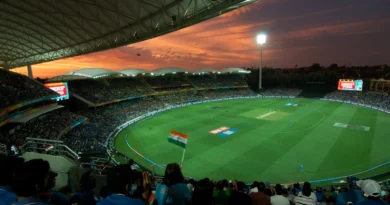
By WorldCupWatch Editorial Desk. Cover: India and Australia in the World Cup final, Ahmedabad, 19 November 2023. Photo: Ishi6181 · CC0.
Sharjah 1998 and the storm before the birthday
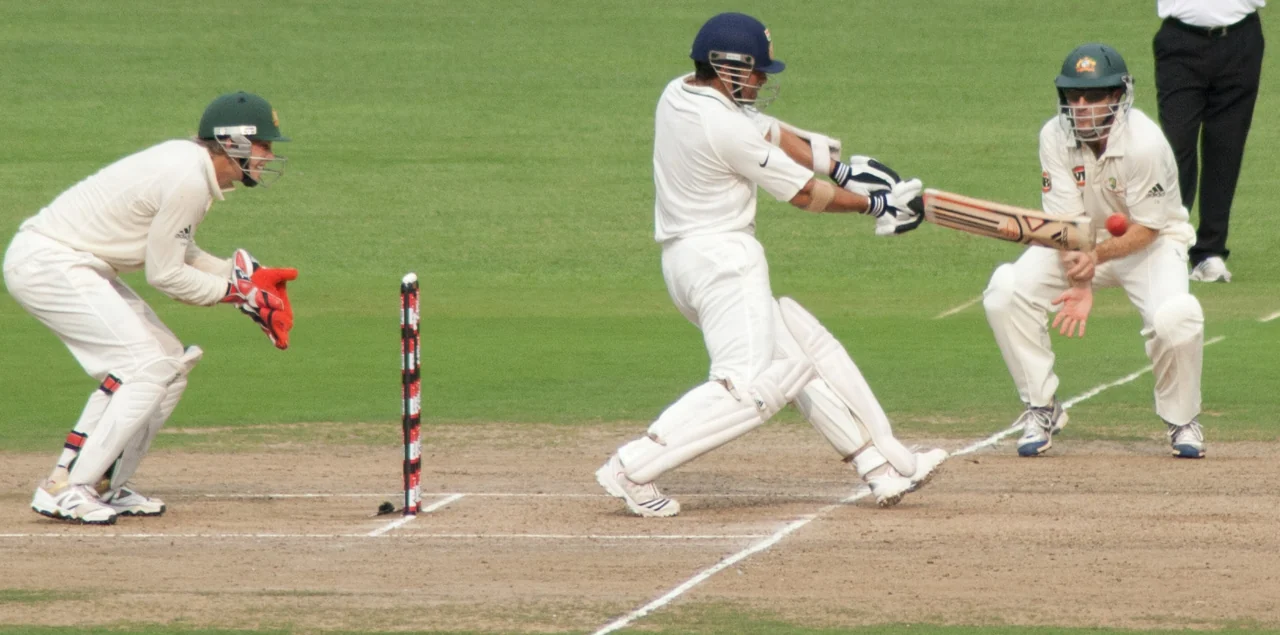
On 22 April 1998, India had two jobs. Winning the match was the obvious one. Reaching the score needed to qualify for the final was the other, and it became the urgent one as Australia’s total and a sandstorm complicated the chase. Sachin Tendulkar made 143 from 131 balls. India lost by 26 runs, but he had carried them into the final.
That distinction is part of the magic. The innings did not win the match; it made another match possible. Every boundary had a second meaning. It was not simply taking India closer to Australia. It was keeping the tournament alive for them.
Two days later, on Tendulkar’s 25th birthday, the teams met again. This time his 134 helped India complete a six-wicket victory and take the title. The first hundred had left work unfinished. The second gave the two-night story its ending.
For Australia, the first meeting deserves to remain a win rather than being rewritten as a Tendulkar exhibition. Michael Bevan’s unbeaten 101 had helped build the target. India’s qualification did not erase the Australian batting that made the chase so demanding. The attraction is precisely that both things happened: Australia won the game, and Tendulkar made the defeat feel like the beginning of something.
The ICC’s review of Tendulkar’s great ODI innings returns to that 143. His birthday reply belongs beside it, not underneath it. One innings is remembered for defying the situation; the other for finishing the job. Ask an Indian supporter which they would replay first, and the answer often says as much about their cricket childhood as about the score.
Kolkata 2001 when the follow-on stopped feeling safe

Australia had won 16 Tests in a row. They had beaten India in Mumbai and then enforced the follow-on at Eden Gardens. Steve Waugh’s side were not merely ahead in the series. They were in the habit of making strong positions become victories.
VVS Laxman and Rahul Dravid interrupted that habit. Laxman made 281, Dravid 180, and their partnership reached 376. What started as resistance became a day Australia could not bring to an end. India’s second innings was no longer a wait for the next wicket. It was taking the match away from the team that had seemed to own it.
There is a special discomfort in watching a follow-on partnership grow. At first the fielding side can tell itself that one wicket will restore normality. Then the lead gets smaller. The field spreads. Another session passes. Suddenly the captain who asked the opposition to bat again has to imagine batting last.
India eventually won by 171 runs. Harbhajan Singh’s 13 wickets in the match were essential: the extraordinary batting gave India a chance, and the bowling converted that chance into a result. Tendulkar’s late wickets also helped turn a long Australian day into a defeat. This was not a draw rescued by two great innings. India had found enough time to win.
The series still needed an ending. Matthew Hayden’s 203 in Chennai gave Australia another substantial first-innings total, but India won the deciding Test by two wickets and the series 2–1. That final margin matters. Kolkata changed the mood; Chennai made sure the change became a trophy.
The ICC’s comparison of the great Border-Gavaskar series puts 2001 alongside 2020–21. The connection is easy to feel: on both occasions, an Indian team that appeared cornered found a way to make Australia confront an outcome they had not been expecting. Neither comeback makes Australia a weak opponent. Their strength is why the reversal still feels so large.
Johannesburg 2003 as Ponting leaves India chasing a mountain
India had reached a World Cup final. There was one more match to play and a belief that this could be the moment to beat the tournament’s most formidable side. Australia’s answer was to make the first innings feel longer and longer.
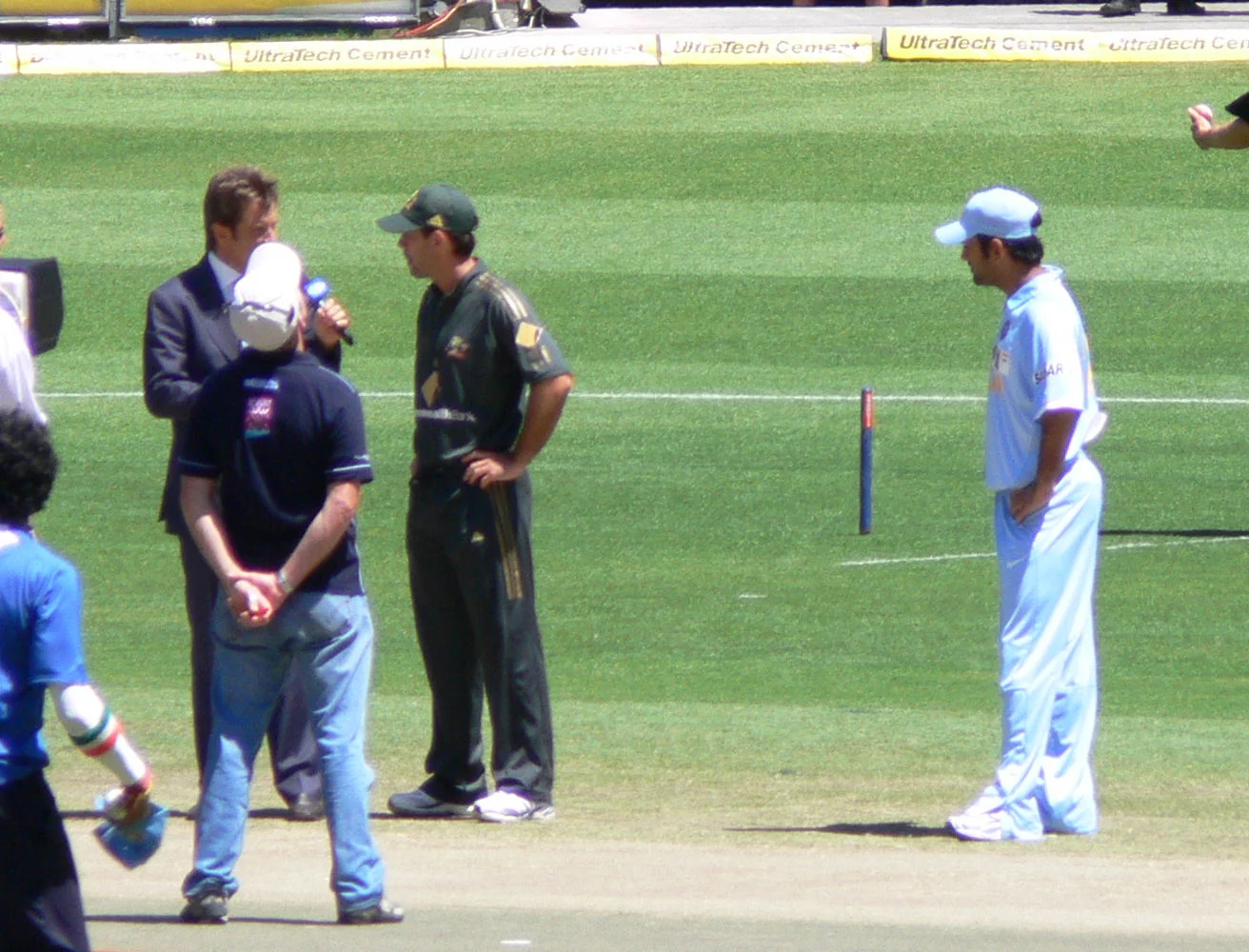
Ricky Ponting finished unbeaten on 140. Damien Martyn made 88 not out. Australia reached 359/2, and the target asked India to produce something exceptional before their innings had even begun. The captains in the archive photograph above are meeting at an ODI toss in 2008; the final itself took place at the Wanderers on 23 March 2003.
Ponting’s innings is often remembered as a stream of sixes, but the partnership is the revealing part. Australia did not leave India a quiet route back into the match. With wickets in hand and two established batters together, the bowling side could not simply wait for the innings to run out of resources.
Virender Sehwag’s 82 gave India a defiant reply. It was not enough: India were dismissed for 234, Australia won by 125 runs, and a final Indian supporters had approached with such hope became one of Australia’s defining victories. The ICC’s 2003 tournament history records the century and the unbeaten stand that decided it.
Australia supplied another knockout answer in Sydney in 2015, winning the World Cup semi-final by 95 runs. These results explain why Australian supporters can look at this fixture with a confidence that is not merely nostalgia. Their team have repeatedly produced major performances when the prize has been largest.
But finals are chapters, not ownership papers. India’s quarter-final victory in 2011 and Champions Trophy semi-final win in 2025 are part of the same rivalry. The pleasure is watching which version appears next: the Australian side that increases the pressure until a chase becomes impossible, or the Indian batting that stays close enough to turn the finish around.
Brisbane 2021 as Pant looks past the draw
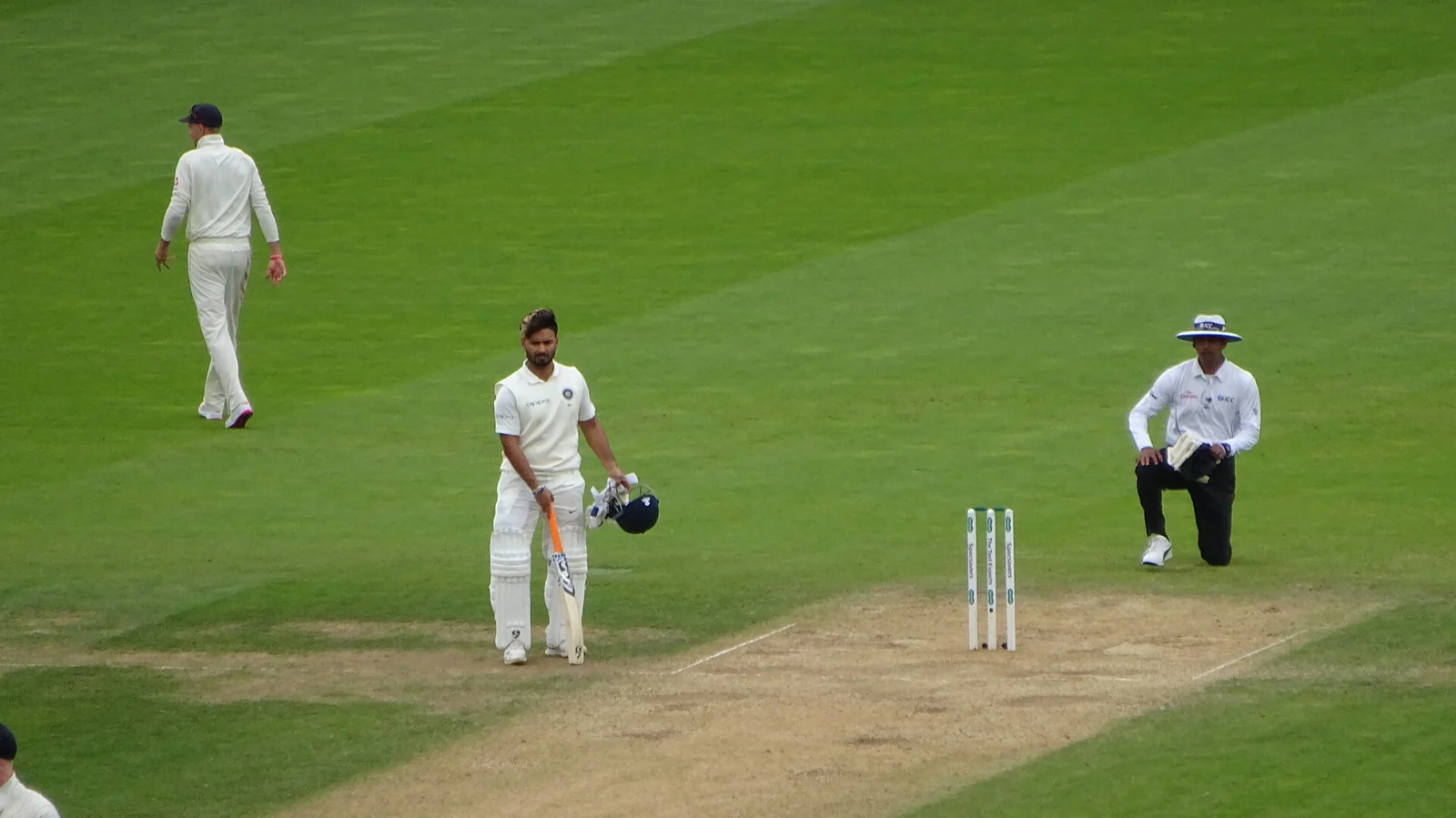
India had been bowled out for 36 in Adelaide. Virat Kohli left the tour after that opening Test, and injuries kept removing players as the series continued. By Brisbane, the question was not only whether India could win. It was how many more setbacks they could absorb.
Ajinkya Rahane’s team had already won in Melbourne and held on for a draw in Sydney. At the Gabba, the last day brought a target of 328. Australia had not lost a Test at the ground since 1988. A draw would retain the trophy for India, but Shubman Gill’s 91 helped keep a much more ambitious possibility in view.
Cheteshwar Pujara made 56 from 211 balls. That innings belongs in any honest account of the finish. Before Rishabh Pant could attack the last part of the chase, somebody had to spend enough time at the crease to make the last part available. Pujara’s refusal to rush and Gill’s willingness to score were different answers to the same problem.
Then Pant made the closing session his own. An unbeaten 89 carried India to 329/7 and a three-wicket win, with 18 balls remaining. Washington Sundar’s 22 helped keep the chase moving as wickets made every new partnership feel fragile. The boundary that finished it also finished a 2–1 series victory.
It is tempting to remember only that final stroke. Watch the match again and the uncertainty is everywhere: the next new-ball spell, the next wicket, the next decision about whether to take a risk. The winning boundary feels so good because it finally removes all those possibilities.
The ICC’s Gabba match report follows the last-day chase: a battered touring team, a home side with an imposing ground record and a young wicketkeeper who kept looking beyond survival.
For Australian fans, the frustration is equally understandable. Pat Cummins kept taking wickets, and chances to close the match were there. India did not win because Australia stopped competing. They won while Australia were still asking difficult questions. That is the difference between an easy sporting fairy tale and a Test match worth returning to.
Ahmedabad 2023 and the catch before the century

Before Travis Head made the hundred, he took the catch. Rohit Sharma was trying to keep India’s fast start moving when Head ran back from the covers and held a difficult chance. A final that had begun with Indian boundaries started to settle into a very different rhythm.
India’s 240 did not leave their bowlers much room, but the reply still had a moment when the home supporters could believe. Australia were 47/3. David Warner, Mitchell Marsh and Steve Smith were gone. One more wicket would bring another batter into the hardest part of the chase.
Head stayed. Marnus Labuschagne stayed with him. The partnership changed the questions India could ask: early wickets had made a defence look possible; the growing stand made every quiet over feel like an opportunity slipping away. Head’s 137 and Labuschagne’s unbeaten 58 brought Australia to the edge of a sixth title. Glenn Maxwell completed the winning runs after Head fell with one still required.
A day before the match, Pat Cummins had spoken about the challenge of facing a heavily pro-India crowd. One phrase from that pre-match press conference became especially memorable:
“hearing a big crowd go silent”
Pat Cummins, pre-final press conference, 18 November 2023
Those were words about the task ahead, not commentary after the winning shot. Australia still had to make them meaningful on the field. Their bowling after India’s early acceleration, Head’s catch and the chase from three down supplied the performance behind the phrase.
For Indian supporters, the result hurt because the tournament had offered so much reason to believe. For Australians, it was the satisfaction of winning the match the host nation most wanted. The ICC’s final report captures the turning points. The banner and photograph above were taken at that actual final on 19 November 2023, not at a later celebration.
Mohali and St Lucia give India two answers in T20 cricket
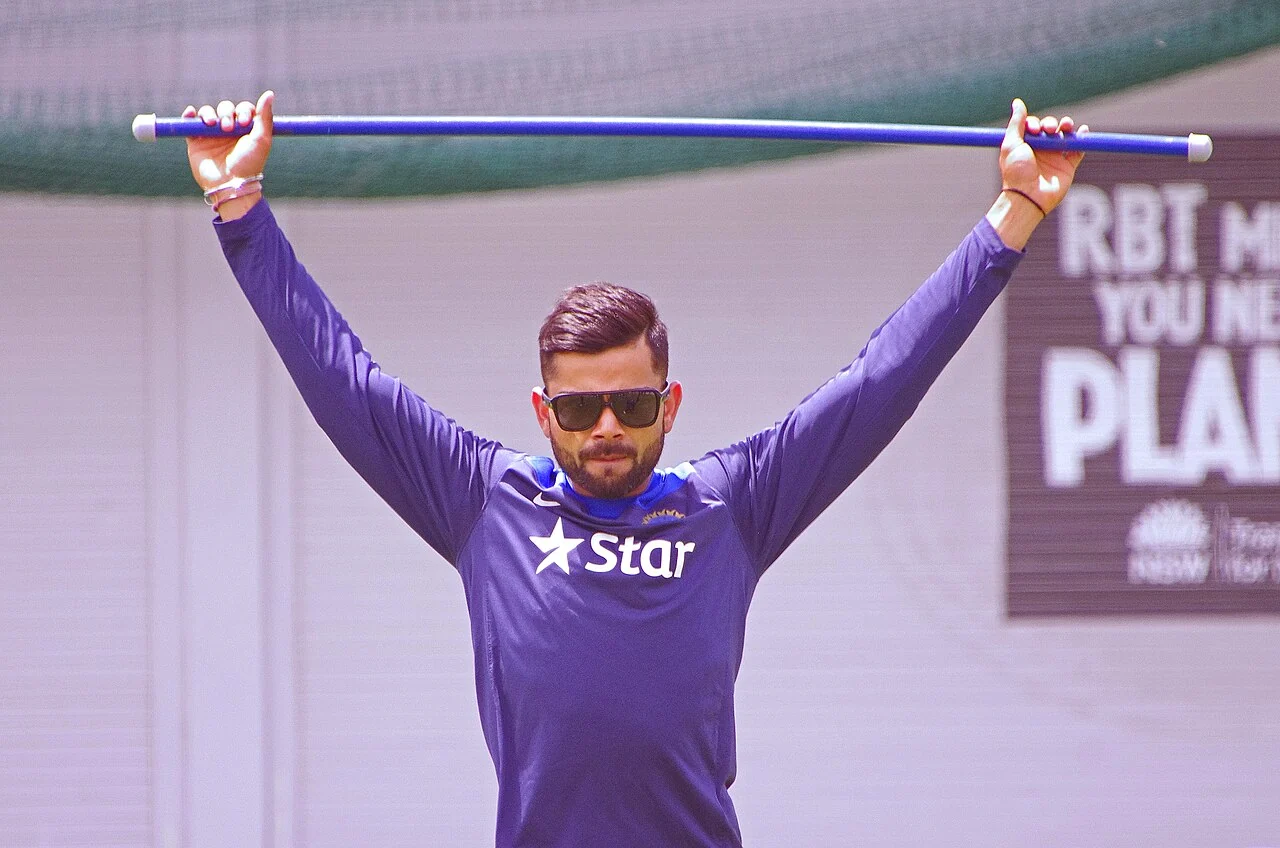
In Mohali in 2016, Australia had put 160/6 on the board and India were 49/3. The last group match was effectively an elimination game. Virat Kohli was there, but the target was beginning to ask for more than steady batting.
With 39 needed from 18 balls, Kohli turned the chase into a study in finding the available space. The ball kept reaching the boundary without the innings feeling like a sequence of desperate swings. He finished on 82 not out from 51, and MS Dhoni hit the winning boundary as India won by six wickets.
Years later, Glenn Maxwell recalled what it felt like to be on the other side:
“It was hard not to watch in awe.”
Glenn Maxwell, recalling Kohli’s Mohali innings in an ICC interview, 2021
There is something generous about that admission. A losing player can explain the plans that did not work; Maxwell also acknowledged the quality that made them fail. The full ICC interview is a reminder that a rivalry can contain admiration as well as frustration.
St Lucia in 2024 gave India a more explosive answer. Rohit Sharma made 92 from 41 balls, India reached 205/5 and won by 24 runs. Head’s 76 meant Australia still had a threat in the chase, but India’s wickets and middle-over control prevented a repeat of the Ahmedabad finish.
These were not interchangeable innings. Kohli solved a chase that had become cramped. Rohit made the opposition react to him from the beginning. Both were Indian victories against a side capable of punishing hesitation, and both explain why a World Cup final record alone cannot describe this rivalry.
The ICC’s St Lucia report follows the 2024 game. Rohit and Kohli’s T20I careers are now historical chapters; those innings should not be confused with a prediction that either will appear in a future T20 lineup.
India vs Australia head-to-head across all formats
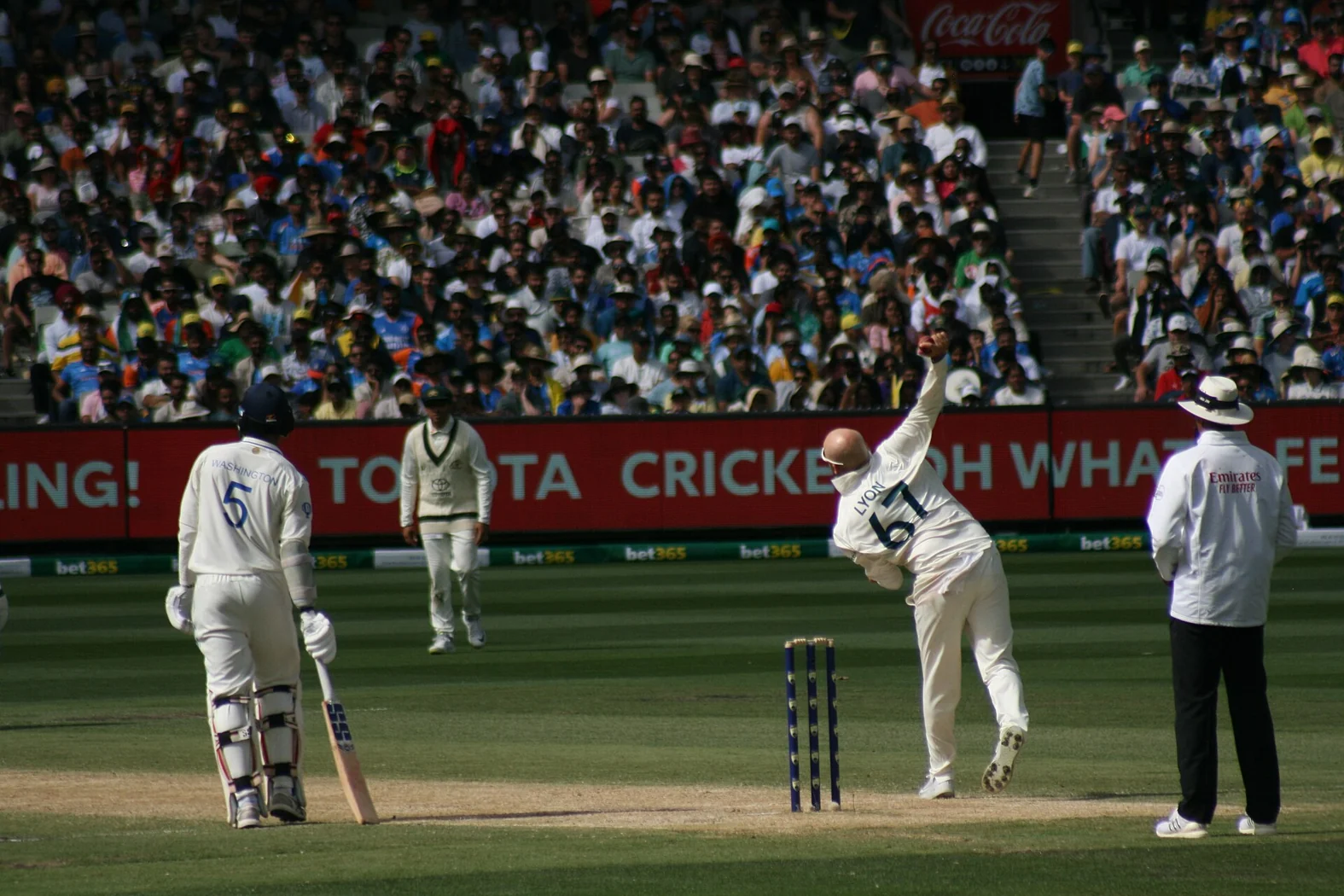
Australia lead the overall senior men’s international record, but the advantage changes considerably by format. Their Test and ODI leads sit alongside a clear Indian lead in T20Is.
| Format | Matches | India wins | Australia wins | Draws | Ties | No result |
|---|---|---|---|---|---|---|
| Tests | 112 | 33 | 48 | 30 | 1 | 0 |
| ODIs | 155 | 59 | 86 | 0 | 0 | 10 |
| T20Is | 37 | 22 | 12 | 0 | 0 | 3 |
| Total | 304 | 114 | 146 | 30 | 1 | 13 |
Records checked through 20 October 2026. The 1986 Chennai Test is a tie, not a draw or a win for either side. There are no tied ODIs or T20Is in this head-to-head record, so no Super Over or bowl-out win needs adding to the totals.
The Test numbers include matches before the Border-Gavaskar Trophy existed. Looking only at Tests played for that trophy gives a different, shorter history; it should not be mistaken for the complete Test record. The World Test Championship final in 2023 is also a Test between these teams, even though it was not a bilateral Border-Gavaskar fixture.
Conditions help explain why the longer-format rivalry can feel so different depending on where you first watched it. India have 23 Test wins against Australia at home, compared with Australia’s 14 wins in India. In Australia, the home side have 33 wins to India’s ten. The remaining neutral-venue Test was Australia’s victory at The Oval in 2023.
Those home and away records make the exceptional results easier to appreciate. India’s victories in Australia did not happen in a place where winning had routinely been comfortable. Australia’s 2004 series win in India remains important for the same reason. Travelling well is one of this rivalry’s most demanding achievements.
Every India vs Australia ODI World Cup result
Australia lead 9–5 from 14 men’s ODI World Cup meetings. The teams have played two finals against each other, in 2003 and 2023, and Australia won both. India have their own knockout victory: the 2011 quarter-final in Ahmedabad.
| Date | Venue | Winner | Margin |
|---|---|---|---|
| 13 June 1983 | Nottingham | Australia | 162 runs |
| 20 June 1983 | Chelmsford | India | 118 runs |
| 9 October 1987 | Chennai | Australia | 1 run |
| 22 October 1987 | Delhi | India | 56 runs |
| 1 March 1992 | Brisbane | Australia | 1 run |
| 27 February 1996 | Mumbai | Australia | 16 runs |
| 4 June 1999 | The Oval | Australia | 77 runs |
| 15 February 2003 | Centurion | Australia | 9 wickets |
| 23 March 2003 | Johannesburg – final | Australia | 125 runs |
| 24 March 2011 | Ahmedabad – quarter-final | India | 5 wickets |
| 26 March 2015 | Sydney – semi-final | Australia | 95 runs |
| 9 June 2019 | The Oval | India | 36 runs |
| 8 October 2023 | Chennai | India | 6 wickets |
| 19 November 2023 | Ahmedabad – final | Australia | 6 wickets |
Two one-run Australian wins give the early history a different flavour from the later finals. Chennai in 1987 and Brisbane in 1992 were decided by the smallest winning run margin available. A table can make each look like one more Australian result; supporters who watched them remember how little separated the teams.
India’s 2011 win deserves more than a line. Yuvraj Singh finished unbeaten on 57 and Suresh Raina on 34, closing a chase that still had room to go wrong. Ponting had made another World Cup hundred against India, but this time it did not decide the ending. The ICC’s quarter-final report tells the story of India ending Australia’s long hold on the trophy.
The 2023 pair also belongs together. India won the group meeting in Chennai; Australia won the final in Ahmedabad. Neither result cancels the other. They show why arriving at a rematch with confidence is reasonable, while arriving certain of the same outcome is much harder to justify.
Every India vs Australia T20 World Cup result
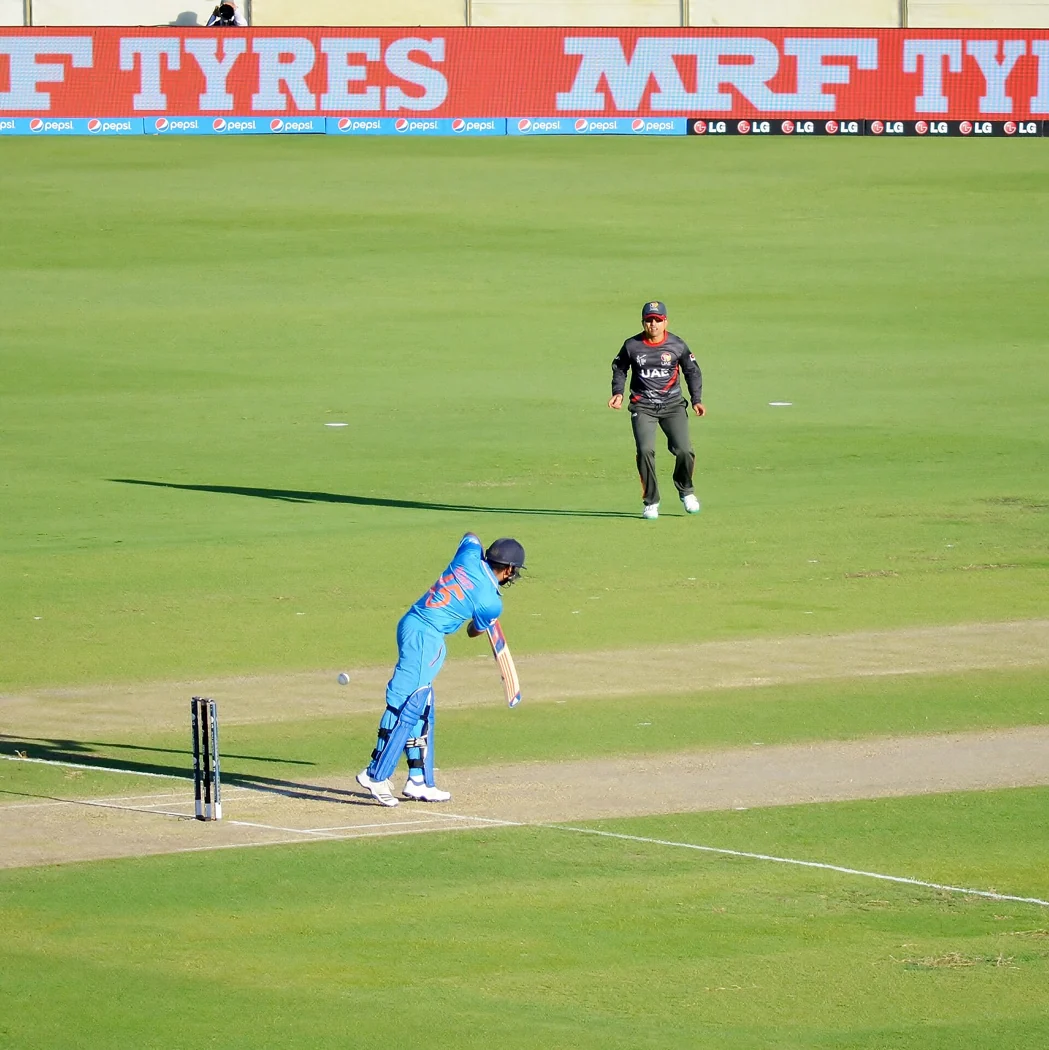
India lead 4–2 from six men’s T20 World Cup meetings. The first was the 2007 semi-final in Durban. The most recent was India’s 24-run victory in St Lucia in 2024. They did not meet at the 2026 tournament.
| Date | Venue and stage | Winner | Margin |
|---|---|---|---|
| 22 September 2007 | Durban – semi-final | India | 15 runs |
| 7 May 2010 | Bridgetown – Super Eight | Australia | 49 runs |
| 28 September 2012 | Colombo – Super Eight | Australia | 9 wickets |
| 30 March 2014 | Mirpur – Super 10 | India | 73 runs |
| 27 March 2016 | Mohali – Super 10 | India | 6 wickets |
| 24 June 2024 | Gros Islet – Super Eight | India | 24 runs |
Australia’s wins in 2010 and 2012 were emphatic. The margins are useful reminders that India’s lead did not arrive through uninterrupted control. India’s 73-run response in 2014 then showed how sharply a meeting in the same format could turn.
Durban carries a special place because the inaugural T20 World Cup was still discovering its identity. Beating Australia took India into the final, where they faced Pakistan. Mohali later added the pressure of a home tournament, while St Lucia arrived with memories of the previous year’s ODI final still close.
The latest tournament did not add another row: Australia were eliminated in the 2026 group stage. Their women’s meetings and bilateral T20Is belong to different records. For this senior men’s World Cup rivalry, the complete list remains the six games above.
Recent matches and the latest series results
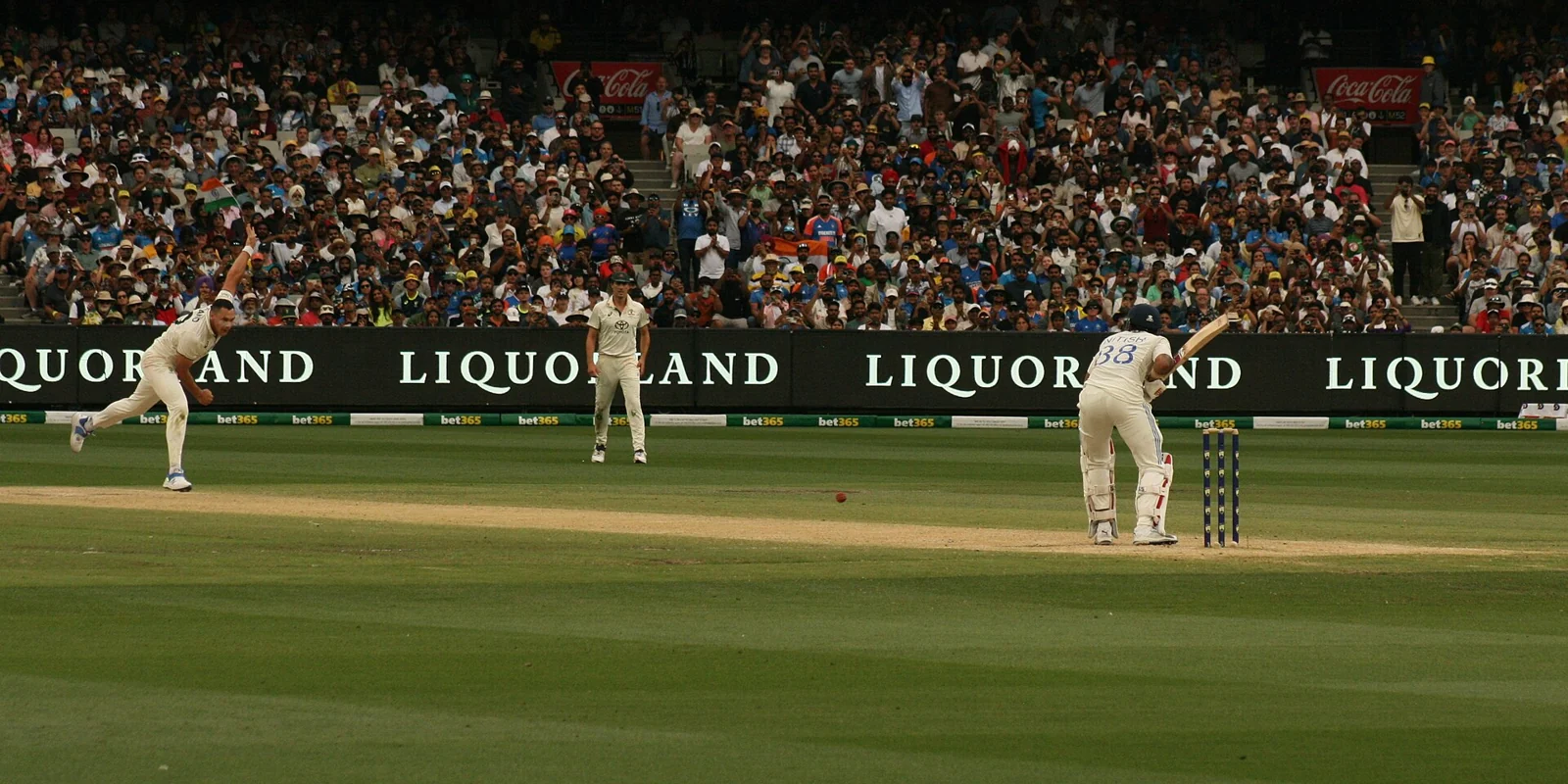
The most recent completed senior men’s meeting was India’s 48-run T20I win at Carrara on 6 November 2025. The teams also took the field in Brisbane two days later, but that match ended without a result. There has been no further senior men’s meeting between them through this article’s update date.
| Date | Format and venue | Result |
|---|---|---|
| 8 November 2025 | T20I – Brisbane | No result |
| 6 November 2025 | T20I – Carrara | India won by 48 runs |
| 2 November 2025 | T20I – Hobart | India won by 5 wickets |
| 31 October 2025 | T20I – Melbourne | Australia won by 4 wickets |
| 29 October 2025 | T20I – Canberra | No result |
| 25 October 2025 | ODI – Sydney | India won by 9 wickets |
| 23 October 2025 | ODI – Adelaide | Australia won by 2 wickets |
| 19 October 2025 | ODI – Perth | Australia won by 7 wickets, DLS |
| 4 March 2025 | ODI – Dubai, Champions Trophy semi-final | India won by 4 wickets |
| 3-5 January 2025 | Test – Sydney | Australia won by 6 wickets |
Australia reclaimed the Border-Gavaskar Trophy 3–1 in January 2025. Scott Boland’s ten-wicket match in Sydney helped finish the series, while Bumrah’s 32 wickets across it kept India competitive far beyond what some of their batting returns suggested. Australia won the trophy; Bumrah still produced one of the rivalry’s great losing-series performances.
Ricky Ponting’s assessment of Bumrah was striking:
“it’s probably the best series of fast bowling I’ve ever seen.”
Ricky Ponting, assessing Bumrah after the 2024-25 series
India’s next major reply came in Dubai. Kohli’s 84 helped them chase Australia’s 264 in the Champions Trophy semi-final, with KL Rahul completing the chase as India reached 267/6. It was not a hundred, and it did not need to be one. The innings worked because it kept the chase manageable for the batters who followed.
Afterwards, Kohli described the calm at the centre of that approach:
“I was not feeling desperate”
Virat Kohli, after the Champions Trophy semi-final, 4 March 2025
Australia then won the October ODI series 2–1. India’s consolation victory in Sydney featured Rohit’s unbeaten 121 and Kohli’s unbeaten 74, an emphatic nine-wicket finish that gave Indian supporters a happier last memory of the series. The ICC’s Sydney report revisits that partnership.
India won the following T20I series 2–1, with two no-results. That split is the useful recent summary: Australia held the latest Test and ODI series, India the latest T20I series. It is more informative than choosing only the last happy result for whichever side you support.
Player records and the runs and wickets behind the memories
Tendulkar’s place in this rivalry is not built on Sharjah alone. He scored 3,077 ODI runs against Australia in 71 matches, averaging 44.59, and 3,630 Test runs against them at 55.00. The volume gives those famous individual innings a much larger setting: years of solving attacks that kept changing around him.
| Leading ODI run-scorers in the rivalry | Team | Matches | Runs | Average |
|---|---|---|---|---|
| Sachin Tendulkar | India | 71 | 3,077 | 44.59 |
| Rohit Sharma | India | 49 | 2,609 | 59.29 |
| Virat Kohli | India | 53 | 2,525 | 53.72 |
| Ricky Ponting | Australia | 59 | 2,164 | 40.07 |
| MS Dhoni | India | 55 | 1,660 | 44.86 |
Rohit’s nine ODI hundreds against Australia match Tendulkar’s tally against them. His average of 59.29 is particularly useful context for a future ODI preview: the aggressive opening is not simply a style choice without a record behind it. Kohli’s eight hundreds and 2,525 runs show the repeated value of his different approach.
Ponting remains Australia’s leading ODI run-scorer against India with 2,164. Steve Smith made 1,383 ODI runs against India at 53.19. Those are completed historical records, not a suggestion that every famous name remains available for a future ODI squad.
| Opponent-specific Test record | Matches | Runs or wickets | Average |
|---|---|---|---|
| Tendulkar batting against Australia | 39 | 3,630 runs | 55.00 |
| Laxman batting against Australia | 29 | 2,434 runs | 49.67 |
| Ashwin bowling against Australia | 23 | 115 wickets | 28.58 |
| Kumble bowling against Australia | 20 | 111 wickets | 30.32 |
| Jadeja bowling against Australia | 20 | 93 wickets | 20.80 |
| Bumrah bowling against Australia | 12 | 64 wickets | 17.15 |
The bowling table explains why India’s resistance has so often had more than one shape. Kumble and Ashwin offered sustained wicket-taking across very different eras. Jadeja’s 93 wickets at 20.80 combine economy of movement with repeated pressure. Bumrah’s 64 at 17.15 are a reminder that an exceptional fast bowler can change the conversation even in a rivalry famous for spin in India.
In T20Is, Kohli made 794 runs against Australia at 49.62. Maxwell has 576 against India, with two centuries. Among India’s bowlers, Bumrah has 20 T20I wickets against Australia and Axar Patel 17. These are opponent-specific figures, checked through 20 October 2026, rather than whole-career totals borrowed to make a matchup sound stronger.
Numbers do not tell us which innings a supporter loves most. They do help distinguish a favourite afternoon from sustained excellence. Sharjah, Kolkata and Mohali remain the stories people tell; the records show how often the same players had to face the same difficult opposition before and after those days.
India vs Australia next match and 2027 World Cup schedule
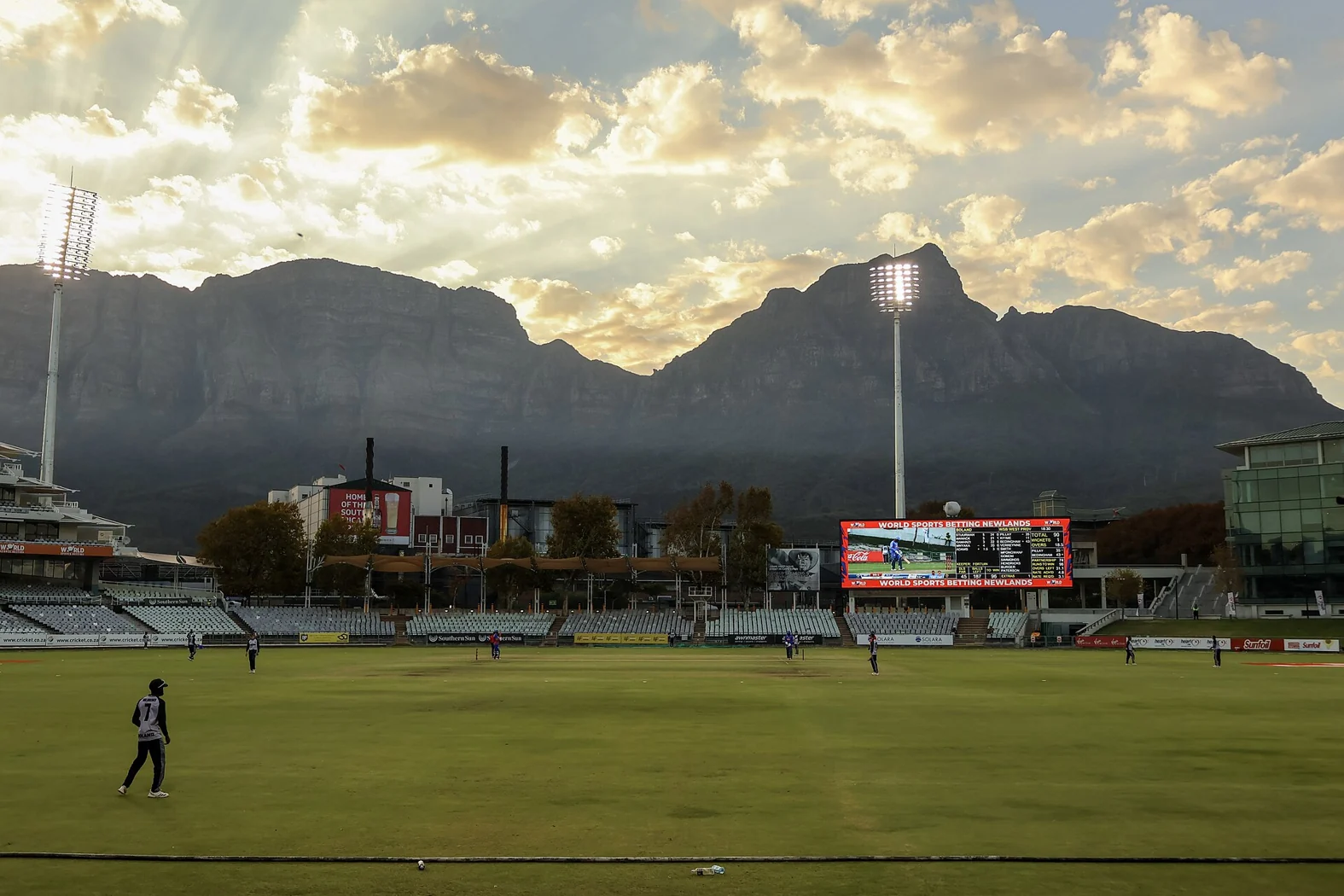
The next announced senior men’s meeting is the first Test of the 2027 Border-Gavaskar Trophy in Nagpur, beginning on 21 January 2027. Five Tests are scheduled, with the final match running into March.
| Fixture | Dates | Venue |
|---|---|---|
| First Test | 21-25 January 2027 | Nagpur |
| Second Test | 29 January-2 February 2027 | Chennai |
| Third Test | 11-15 February 2027 | Guwahati |
| Fourth Test | 19-23 February 2027 | Ranchi |
| Fifth Test | 27 February-3 March 2027 | Ahmedabad |
The ICC’s home-season announcement confirms those dates and cities. Australia will arrive as trophy holders, while India have the opportunity to answer the 3–1 defeat on home grounds. Chennai brings the history of the tied Test; Ahmedabad brings very different memories for supporters of the two teams.
Their next announced ODI World Cup meeting is 7 October 2027 in Cape Town, the opening group-stage match in the ICC’s published schedule. A second meeting is pencilled into the A1–A2 Super 7 slots in Victoria Falls on 28 October, but that match depends on both teams qualifying into those designated positions.
| World Cup stage | Date | City | Status |
|---|---|---|---|
| Group stage | 7 October 2027 | Cape Town | Announced India vs Australia fixture |
| Super 7 – A1 vs A2 | 28 October 2027 | Victoria Falls | Conditional on qualification |
Cape Town offers a fresh setting for the rematch: Table Mountain above the ground, no home advantage for either side and the first chance to put points on their group-stage table. The official ICC fixture list confirms the World Cup dates. First-ball times and final squads are still to be confirmed.
For the wider calendar, follow our India cricket schedule and 2027 World Cup guide. The Test series comes first. The World Cup rematch is a later chapter, not the next meeting in every format.
Who is favourite and which players could decide it
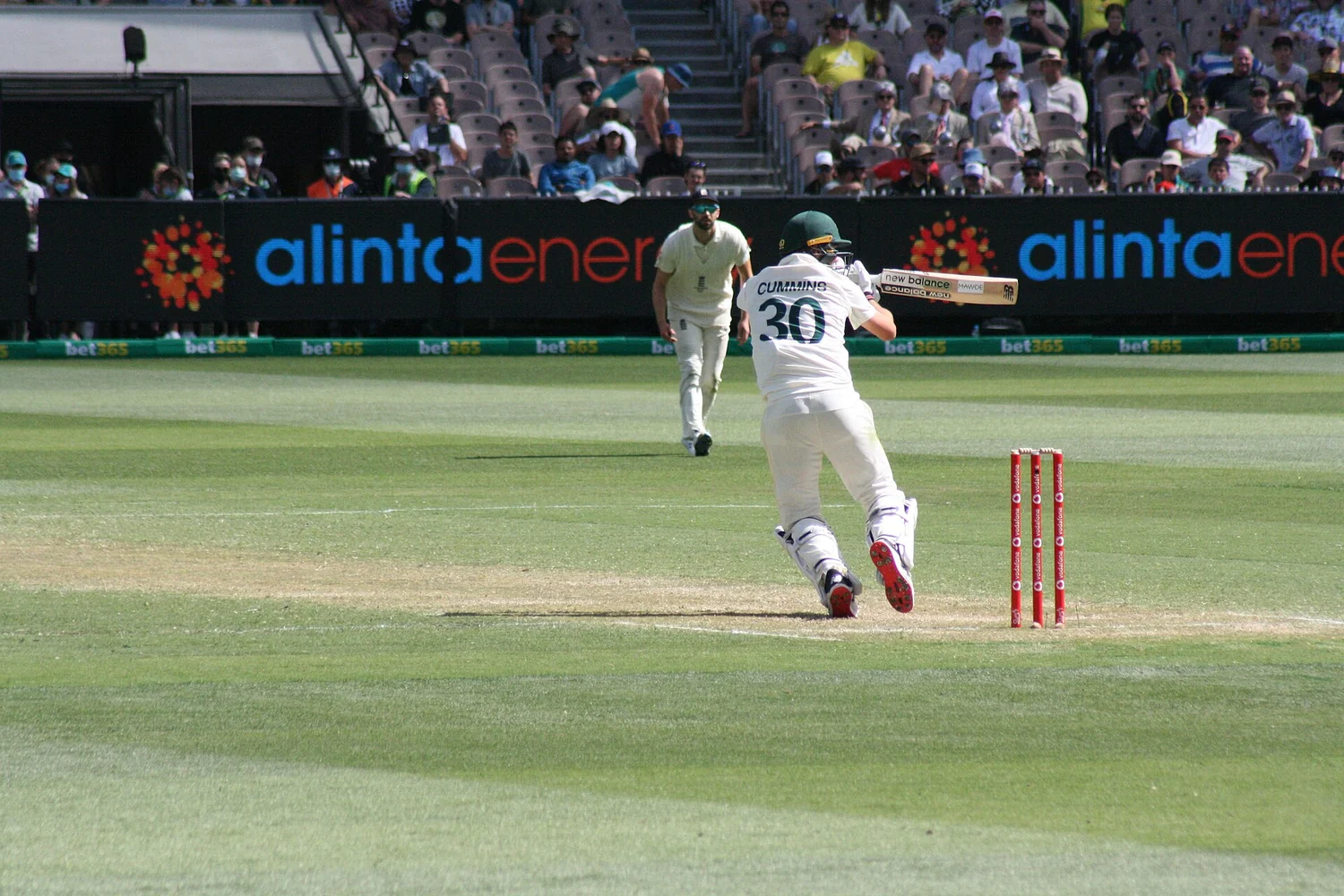
Our early editorial pick for the next Test series is India, narrowly, because they are playing at home. That is a starting assessment, not a claimed probability or a prediction based on confirmed squads. Australia’s latest 3–1 series win makes them a serious challenger, and India’s past home advantage should not be treated as a guarantee that the conditions will solve every problem for them.
For India, the first question is whether the batting can give their bowlers time and runs to work with. Gill and Pant, if selected and fit, offer different ways to change a session: one through a substantial top-order innings, the other through pressure that can move the field and disturb a settled bowling plan. Neither can assume that attacking intent removes the need to survive a demanding spell.
Jadeja’s opponent-specific Test record makes him a major potential figure. If he plays, his bowling can force Australia to keep making decisions against accuracy, while his batting adds a way to recover when the top order has left work unfinished. Bumrah’s availability and workload will also matter enormously. His last Australian tour showed what one outstanding bowler can do, and also why a team cannot expect him to carry every difficult passage alone.
For Australia, Smith and Head would present contrasting batting questions if selected. Smith can make a captain search for another way to take a wicket; Head can make the same captain worry about the rate at which the match is moving. India will want early wickets that prevent those styles from becoming complementary parts of a long partnership.
Lyon’s ability to extract bounce and keep batters working against him could be central on Indian surfaces. Cummins and Boland, if available and chosen, offer the discipline to make a quiet period uncomfortable rather than simply unproductive. Australia’s route is not necessarily a spectacular opening hour. It may be repeated spells that refuse to give India an easy release.
For the 2027 ODI World Cup game, our early lean is Australia by a very small margin at a neutral venue, acknowledging their two final victories against India. India’s 2025 Champions Trophy semi-final win is a strong reason to keep that judgement tentative. A South African pitch, the selected attacks and the form of the top orders will matter far more than a slogan about who handles pressure better.
If Rohit and Kohli are selected for that ODI, their opponent records give India obvious strengths at the top and through the chase. Head’s response to the new ball and Adam Zampa’s role through the middle overs are potential Australian levers. The interesting prediction is the route, not a made-up percentage: India need enough batting security to choose their acceleration; Australia want wickets that force that acceleration to come too early.
That is why the rivalry remains compelling even after so many meetings. The records establish expectations. The next good partnership, the next catch or the next spell can still make those expectations look suddenly uncomfortable.
India vs Australia questions fans ask
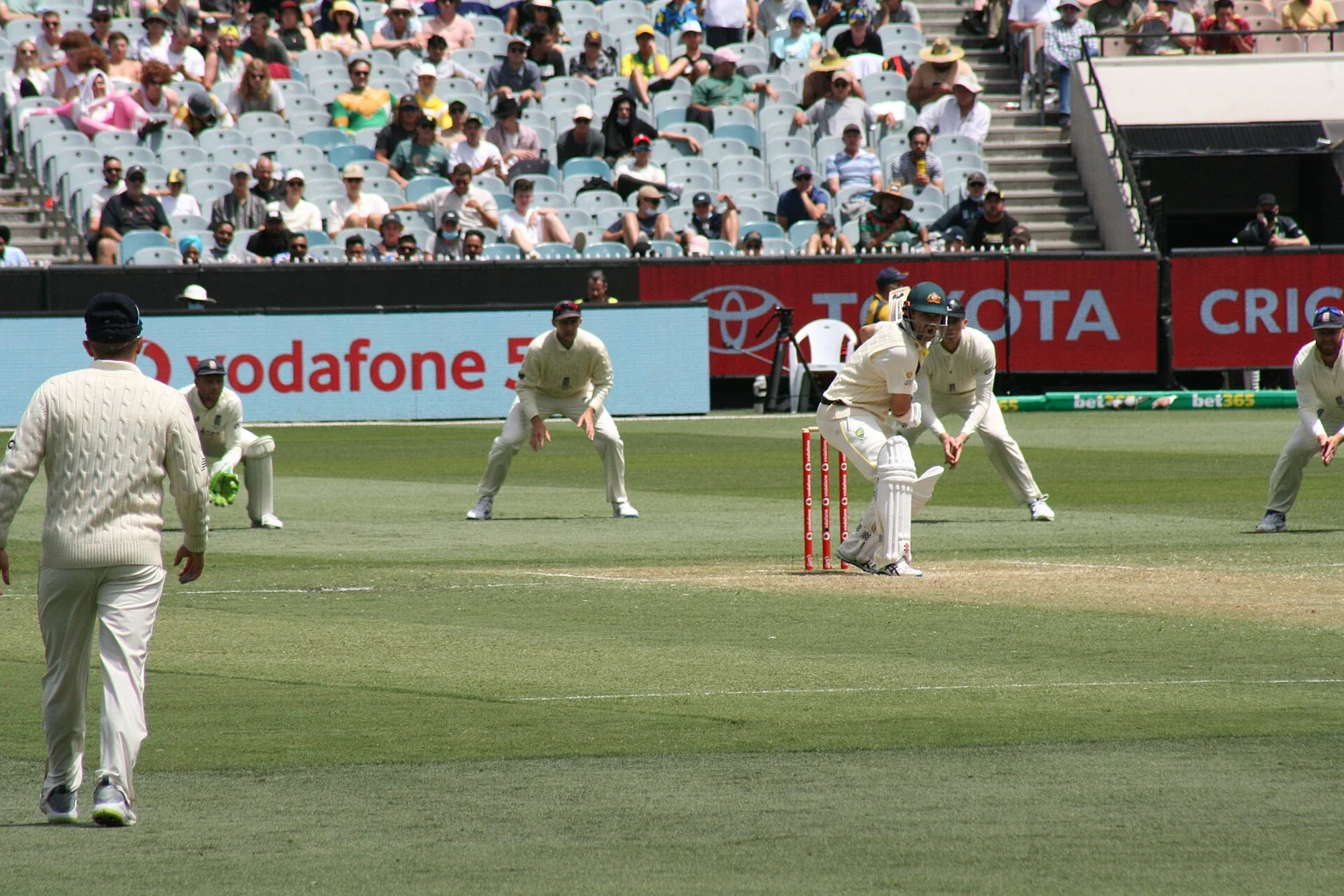
Who has won more matches? Australia have 146 outright wins to India’s 114 across 304 senior men’s internationals, checked through 20 October 2026. The remaining matches are 30 draws, one tie and 13 no-results.
How many World Cup matches have they played? Fourteen in ODI World Cups, with Australia leading 9–5, and six in T20 World Cups, with India leading 4–2. The Champions Trophy and World Test Championship final are separate competitions.
Who scored the most ODI runs between them? Tendulkar leads with 3,077. Rohit has 2,609, Kohli 2,525 and Australia’s leading scorer Ponting 2,164.
Who won the latest completed match? India won the Carrara T20I by 48 runs on 6 November 2025. Their later Brisbane meeting on 8 November ended without a result.
When do they play next? The announced next meeting is the Nagpur Test starting 21 January 2027. Their World Cup group match is later, on 7 October 2027 in Cape Town.
For another kind of rivalry drama, revisit India vs Pakistan. For Australian finishes that still leave supporters staring at the required rate, read Pakistan vs Australia. Explore the full collection through our Cricket Hub.
Which India vs Australia memory would you replay first: Laxman and Dravid making the fourth day disappear, Pant looking beyond the draw, or Head taking the catch before he made the hundred? Tell us in the comments. The same fixture can mean a very different afternoon to the person sitting next to you.