India vs Pakistan: Head-to-Head, Heroes and Unforgettable Matches
By WorldCupWatch Editorial Desk · Updated 17 October 2026.
A catch at short fine leg. A no-ball at The Oval. Two sixes into the Melbourne night. Some India–Pakistan matches are easiest to remember by the moment that changed everything.
For Pakistan supporters, there is Miandad at Sharjah, Amir with a new ball and the evening Babar and Rizwan finally broke a World Cup losing streak. For India supporters, there is Tendulkar taking on a fearsome pace attack and Kohli keeping a chase alive when it was slipping away. The same replay can bring one friend a smile and another a groan.
Here are the matches behind those memories, followed by the head-to-head records, World Cup results, leading players and the next announced World Cup meeting. Blue or green, there is plenty here worth watching again.
Quick answers: Pakistan lead the overall win count; India lead the ODI World Cup record 8–0. The latest meeting was India’s 19-run win on 3 October 2026. The announced 2027 World Cup group fixture is on 10 October in Johannesburg — see our match and ticket guide.
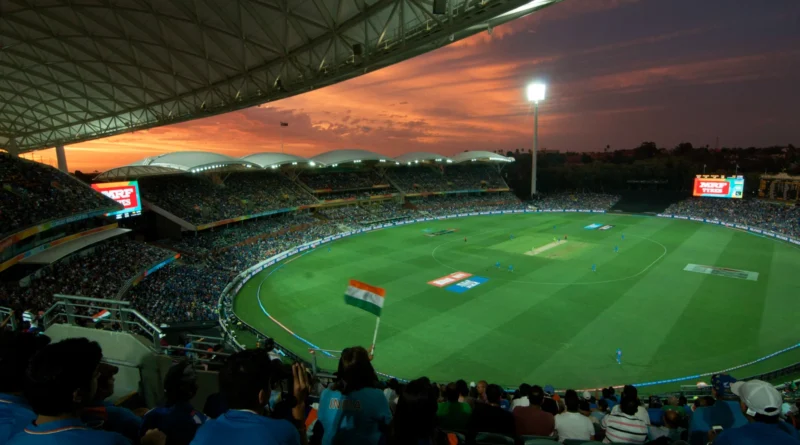
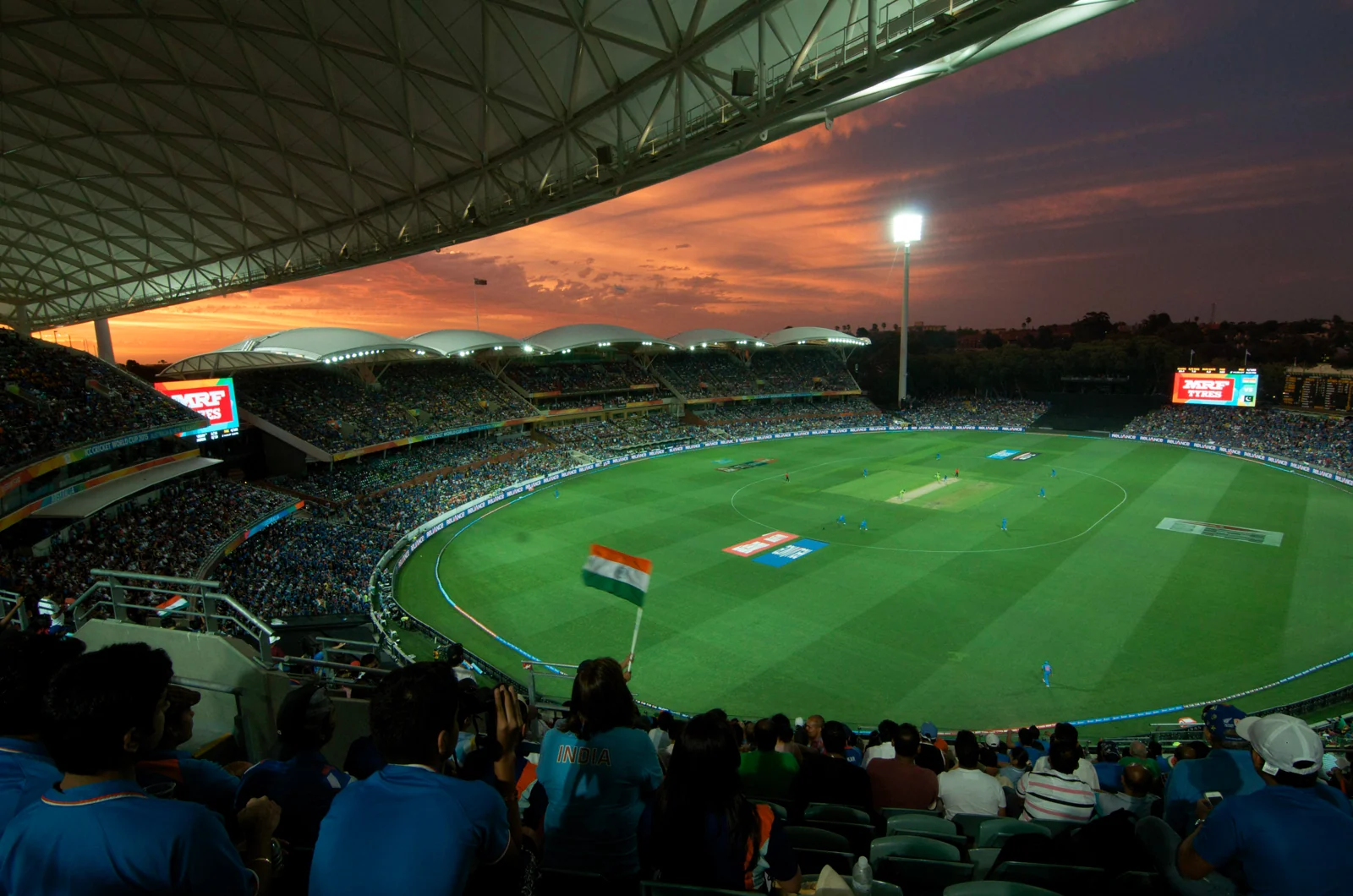
Cover: Adelaide Oval, India–Pakistan World Cup match, 2015. Photo: Rajiv Bhuttan · CC BY 2.0.
Five India vs Pakistan matches that still start a conversation
Sharjah, 1986: four needed, one ball left. India were one delivery away from the Austral-Asia Cup title. Javed Miandad stood between them and the trophy, with Pakistan’s last wicket still at the crease. Chetan Sharma’s final ball offered him the chance he had been waiting for. Miandad sent it for six.
Then came the words every Pakistan supporter wanted to hear:
“It’s a six … and Pakistan have won …”
Iftikhar Ahmed — Austral-Asia Cup final, 18 April 1986
Miandad was already running as spectators poured onto the field. One swing had turned a nearly finished chase into a memory Pakistan supporters would hand down for decades.
A chase balanced on a single delivery had ended in a Pakistan victory. For anyone asking an older Pakistan supporter where their favourite rivalry memory begins, Sharjah is a good place to start. The ICC’s Miandad profile recalls that extraordinary finish. It is also a wonderfully simple cricket story: four required, one shot to make it happen.
Bengaluru, 1996: a challenge, then a broken stump. Ajay Jadeja had already changed the mood of the World Cup quarter-final, attacking Waqar Younis during a 25-ball 45. Navjot Singh Sidhu’s 93 helped India reach 287/8. Then Aamer Sohail and Saeed Anwar raced to an opening stand of 84, and the chase began to look dangerous.
The flashpoint came between Sohail and Venkatesh Prasad. Words and gestures raised the temperature; Prasad’s reply came with the ball as Sohail’s stumps were hit. Pakistan eventually finished on 248/9, giving India a 39-run win. Jadeja’s attack had set the challenge, but the confrontation became the image people carried away. Revisit the ICC’s account of the quarter-final.
Centurion, 2003: the 98 people remember like a hundred. Saeed Anwar’s century had given Pakistan a total of 273/7. Their attack included Wasim Akram, Waqar Younis and Shoaib Akhtar. India’s chase demanded far more than a cautious start.
Sachin Tendulkar took the contest straight to them. His 98 became the defining innings of the afternoon, even though Akhtar denied him a century. Rahul Dravid and Yuvraj Singh then completed the chase, India winning by six wickets. The ICC’s rivalry retrospective returns to that duel between Anwar’s hundred and Tendulkar’s reply. The unfinished hundred makes the innings feel more distinctive: the match was won, while the personal milestone stayed just out of reach.
Johannesburg, 2007: Misbah goes for the scoop. Pakistan needed six from four balls in the first men’s T20 World Cup final. Misbah-ul-Haq had just hit Joginder Sharma for six. India still needed one wicket. Misbah moved across and tried to lift the next ball over short fine leg.
Sreesanth was waiting underneath it. The catch ended Pakistan’s innings and gave India a five-run victory. Gambhir’s 75 and Rohit Sharma’s unbeaten 30 had helped build the target, but the last scoop became the replay that defined the final. The ICC’s tournament history preserves that finish: Pakistan had come within one good shot of turning the final around.
For a moment, everything depended on a ball hanging in the air. Then Ravi Shastri’s voice followed it into Sreesanth’s hands:
“In the air … Sreesanth takes it. India win!”
Ravi Shastri — T20 World Cup final, 24 September 2007
India’s players could finally race towards one another. Misbah had taken Pakistan to within a shot of the title, and now the catch had settled it. Few rivalry replays turn hope into heartbreak quite so quickly.
Mohali, 2011: a reprieve, four dropped catches and a five-wicket spell. With a World Cup final place at stake, Tendulkar survived a reviewed lbw decision and several chances on his way to 85. At the other end of the contest, Wahab Riaz kept Pakistan in it with 5/46.
India reached 260/9 and won by 29 runs. The innings and the missed opportunities remain difficult to separate: Tendulkar took the chances he was given, while Wahab produced a performance that deserved to be remembered even in defeat. The ICC’s Mohali recap revisits both sides of that tense afternoon.
These games offer five different kinds of drama: a last-ball finish, a confrontation, an attacking chase, a risky final shot and an innings built around reprieves. Ask which was the greatest, and the conversation can last much longer than the highlights.
The Oval, 2017: Fakhar gets another chance, Amir gives India none
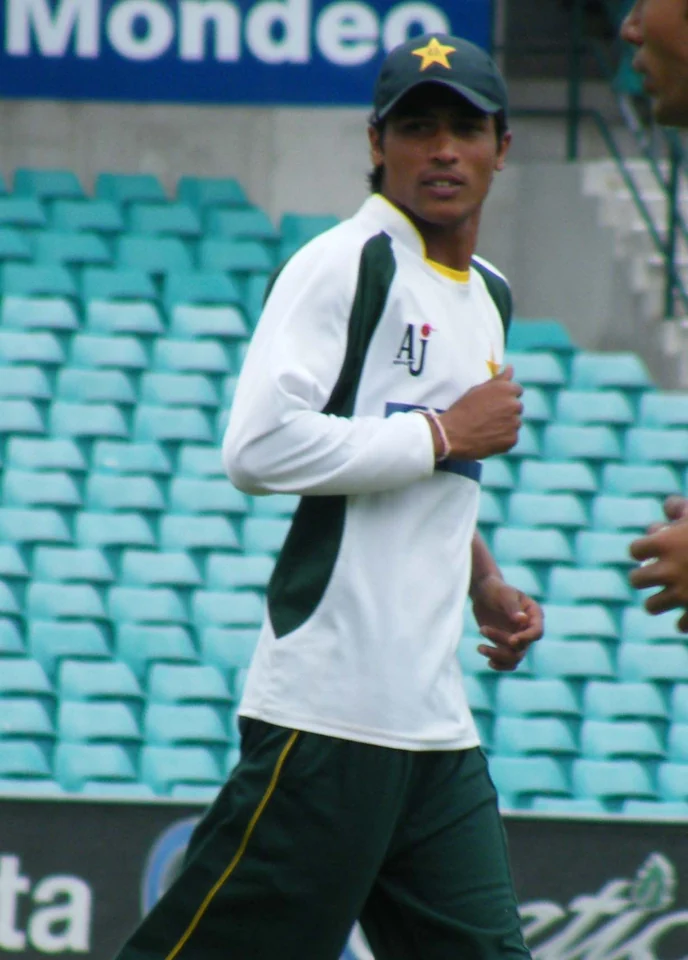
Fakhar Zaman was on three when he edged Jasprit Bumrah and was caught. He had started walking back. For a moment, Pakistan’s opening partnership appeared broken.
Then came the check. Bumrah had overstepped. Fakhar returned to the crease, and the final began to change.
He made 114 from 106 balls, helping Pakistan reach 338/4. Years later, in an ICC interview about the final, Fakhar recalled the feeling after that reprieve:
After that, I thought maybe it’s my day.
Fakhar Zaman, recalling the 2017 final
It became Pakistan’s day in emphatic fashion. Mohammad Amir trapped Rohit Sharma early, then found Kohli’s edge — only for Azhar Ali to drop the chance at slip. Against a batter capable of taking a chase apart, it was a frightening moment for Pakistan.
Amir came back next ball. Kohli offered another chance, Shadab Khan held it, and the relief was immediate. The ICC’s interview with Amir identifies that dismissal as the crucial turn in the chase.
A dropped catch, then Kohli gone one ball later. Nasser Hussain’s call needed no further explanation:
“Pakistan cricket at its best. One minute down, next minute up!”
Nasser Hussain — Kohli’s wicket, Champions Trophy final, 18 June 2017
The same supporters who had been staring at a chance lost were suddenly celebrating the wicket they wanted most. Amir had given Pakistan barely a moment to regret the drop.
Shikhar Dhawan also fell to Amir, whose 3/16 dismantled the top order. Hardik Pandya’s 76 from 43 balls provided India with a fierce counterattack, but his run-out ended that resistance. India were dismissed for 158; Pakistan won by 180 runs.
The size of the victory is only part of its appeal. Pakistan had lost to India earlier in the same tournament. Now a final had turned on a reprieve taken, a dropped catch overcome and a bowler immediately earning a second chance. Read the ICC’s final report.
Watch the faces in the celebrations as well as the cricket. A final that began with Fakhar almost walking off ended with Sarfaraz Ahmed’s team holding the trophy. For Pakistan supporters, it is one of the rivalry’s most satisfying reversals.
Dubai, 2021: Shaheen opens the door, Babar and Rizwan walk through
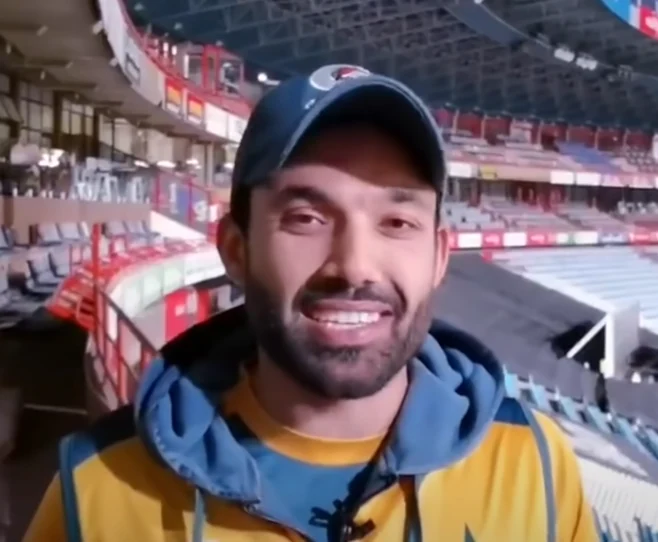
Before the chase could become a contest between India’s bowlers and Pakistan’s openers, Shaheen Shah Afridi had already changed the night.
Rohit Sharma was trapped lbw. KL Rahul’s stumps were hit. Later, Shaheen dismissed Kohli too, finishing with 3/31 as India made 151/7. Pakistan had a target of 152 and an opportunity to end their World Cup losing run against India.
Babar Azam and Mohammad Rizwan gave India no opening. Rizwan finished on 79 not out, Babar on 68 not out, and Pakistan won by ten wickets. The ICC’s Dubai match report records the combination that made it possible: early wickets, then an unbeaten opening partnership.
There was no late scramble and no final wicket to protect. The tension came from the weight of the occasion, while the batting steadily made the finish more comfortable. Each over without a wicket brought Pakistan closer to a result their supporters had been waiting to see.
Shaheen’s spell is the burst people often replay first. The opening partnership deserves equal billing. Babar and Rizwan carried the chase all the way through, giving the bowlers no chance to pull India back into it. Pakistan’s first World Cup win over India arrived with every wicket intact.
That is why Dubai stands apart. In a rivalry famous for frantic endings, Pakistan’s breakthrough was remarkably controlled.
Melbourne, 2022: two sixes, a disputed no-ball and one final delivery
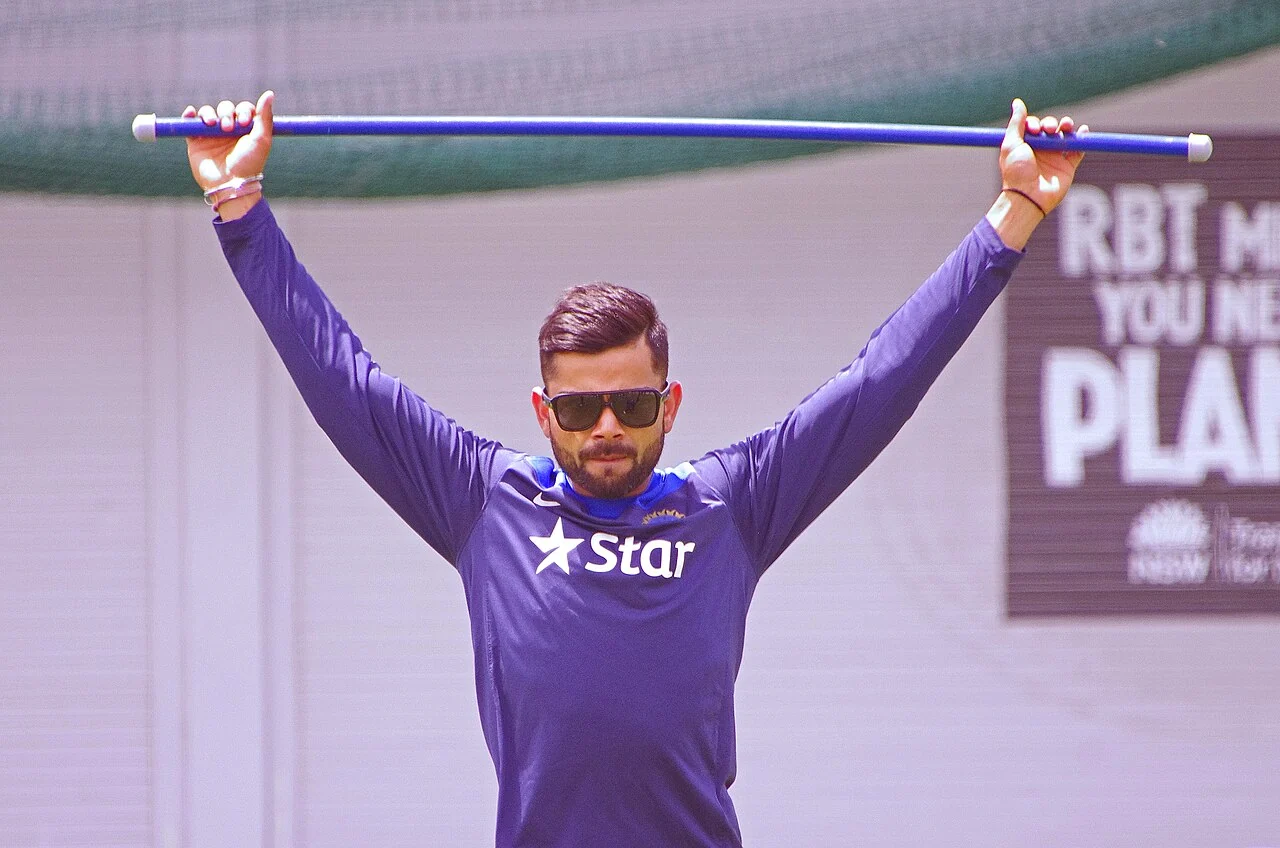
India were 31/4, chasing 160. Pakistan had removed the top order, the required rate was rising, and Kohli was running out of room to wait.
Hardik Pandya stayed with him long enough to keep the chase alive. Then, with 28 needed from eight balls, Kohli faced Haris Rauf. The first six went back over the bowler. The next went over fine leg. Suddenly, India needed 16 from the final over.
The ICC’s Melbourne report follows that late change in momentum. Two deliveries had transformed a chase that was slipping away into a final-over contest.
Mohammad Nawaz still had to bowl the six balls. Pandya fell from the first. Later, Kohli hit a high full toss for six and the umpire called a no-ball. Pakistan’s players questioned the decision. The following free-hit sequence brought another twist: Kohli was bowled, but India ran three byes.
Pakistan appealed for a dead ball. Play continued because hitting the stumps on that free hit had not ended the delivery. The ICC’s ball-by-ball explanation of the final over sets out the decisions and the three runs that proved so important.
Dinesh Karthik’s stumping gave Pakistan another chance. Ravichandran Ashwin then let a leg-side delivery pass for a wide before lifting the winning run over the infield. India were home from the last ball, Kohli unbeaten on 82 from 53.
Ashwin had found the winning run; Kohli could finally let the emotion show. Harsha Bhogle’s words caught the scale of the escape:
“This game was gone, Virat Kohli pulled it back.”
Harsha Bhogle — Melbourne, 23 October 2022
From 31/4 to that final stroke, the chase had kept changing hands. Now the scoreboard could stop moving. Kohli was still there, unbeaten, with the game won.
It’s a surreal atmosphere, I have no words.
Virat Kohli after the Melbourne win
The arguments over the final over remain part of the match’s story. So do Rauf’s earlier wickets, Pakistan’s grip at 31/4 and the two sixes that loosened it. A fair retelling gives the bowling its due before arriving at the innings that overcame it.
Dubai and Melbourne make a remarkable pair of replays. One year, Babar and Rizwan completed an unbroken chase. The next, Kohli carried India through a finish that kept finding one more twist.
India vs Pakistan head-to-head: who has won more matches?
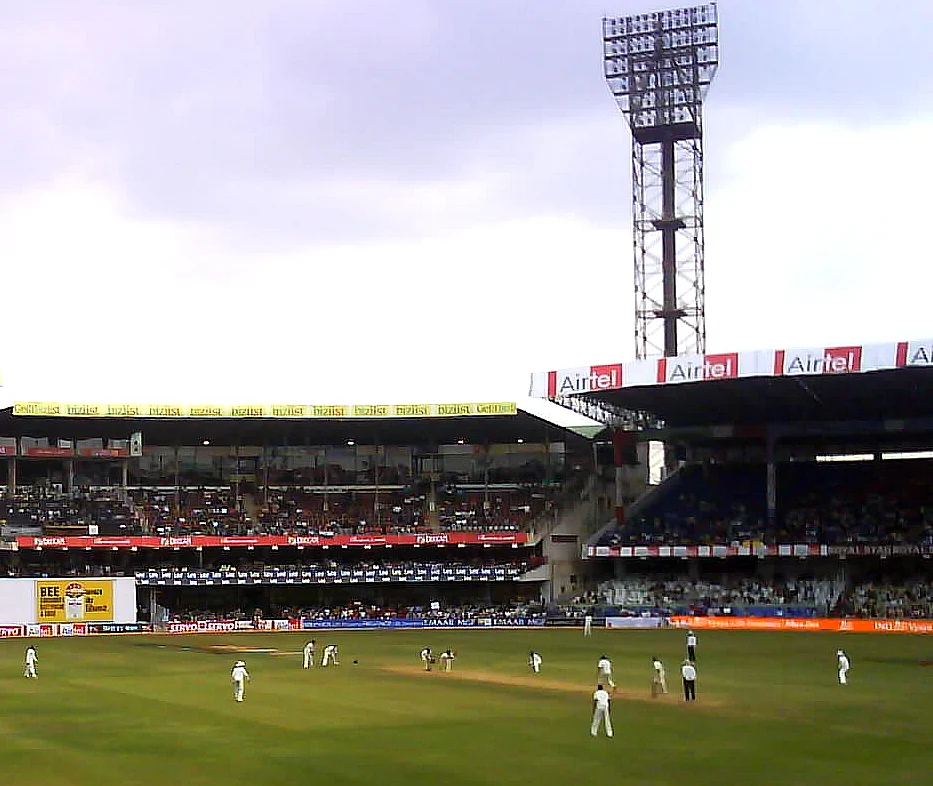
Pakistan lead the overall record with 88 outright wins to India’s 81 across 213 men’s internationals. India also won the bowl-out after the tied Durban T20I in 2007.
| Format | Matches | India wins | Pakistan wins | Draws | Ties | No result |
|---|---|---|---|---|---|---|
| Tests | 59 | 9 | 12 | 38 | 0 | 0 |
| ODIs | 136 | 58 | 73 | 0 | 0 | 5 |
| T20Is | 18 | 14 | 3 | 0 | 1 | 0 |
| Total | 213 | 81 | 88 | 38 | 1 | 5 |
Pakistan’s advantage is strongest in the long-term ODI record: 73 wins to 58. India’s strongest overall head-to-head position is in T20Is, with 14 outright wins plus the Durban bowl-out, against Pakistan’s three.
The Test rivalry has been absent for much longer. Their latest Test ended in a draw at Bengaluru in December 2007. For supporters who remember full tours, that gap leaves a different kind of longing: the chance to watch the contest develop across sessions, rather than decide everything in one evening.
A single overall number can only take the conversation so far. Pakistan’s historical lead, India’s World Cup run and the famous victories on both sides all belong in the rivalry’s story.
ODI World Cup results: India’s eight wins and the moments behind them
India have won all eight ODI World Cup meetings against Pakistan. Sydney began the sequence in 1992; Ahmedabad extended it in 2023.
| Date | Venue | Result |
|---|---|---|
| 4 March 1992 | Sydney | India won by 43 runs |
| 9 March 1996 | Bengaluru | India won by 39 runs |
| 8 June 1999 | Manchester | India won by 47 runs |
| 1 March 2003 | Centurion | India won by 6 wickets |
| 30 March 2011 | Mohali | India won by 29 runs |
| 15 February 2015 | Adelaide | India won by 76 runs |
| 16 June 2019 | Manchester | India won by 89 runs, DLS |
| 14 October 2023 | Ahmedabad | India won by 7 wickets |
The unbeaten sequence contains very different games. Tendulkar’s first World Cup meeting brought a player-of-the-match performance in 1992. Prasad’s five wickets helped decide Manchester in 1999. Centurion belonged to a chase; Mohali put a final place on the line.
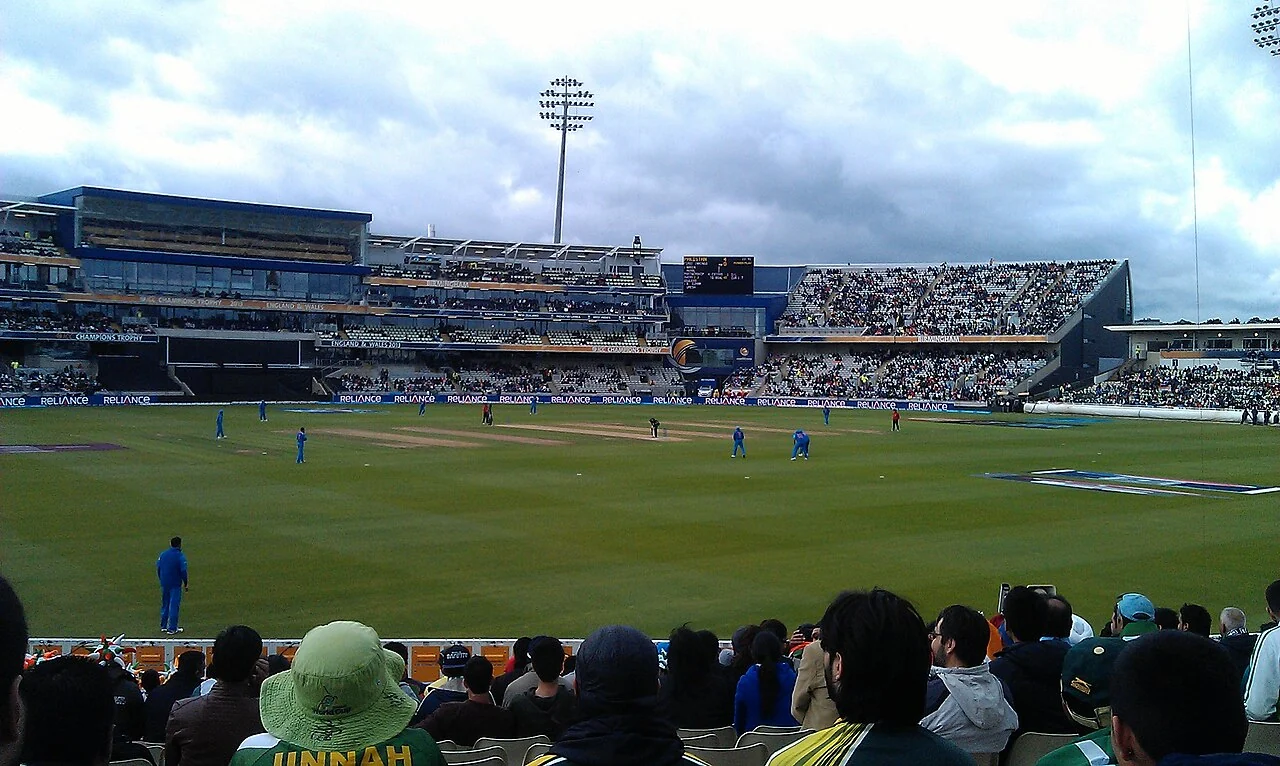
At Adelaide in 2015, Kohli’s century helped India stretch the run to six wins. The ICC’s Adelaide recap follows a game in which wickets during Pakistan’s chase repeatedly changed the mood. The photograph above comes from that actual World Cup meeting.
Rohit Sharma’s 140 shaped the 2019 Manchester game, which finished under DLS after rain. In Ahmedabad four years later, India won by seven wickets. The margins tell us who won; the innings and spells explain why each result has its own place in the rivalry.
For the next chapter, follow our India–Pakistan World Cup 2027 guide. Pakistan will be trying to write their first win into this particular table; India will be trying to extend a run that began more than three decades earlier.
T20 World Cup results: from the bowl-out to Colombo
India lead the T20 World Cup outcome record 8–1, including their 2007 bowl-out win. Pakistan’s victory came in Dubai in 2021.
| Date | Venue / stage | Result |
|---|---|---|
| 14 September 2007 | Durban, group stage | Tied; India won bowl-out 3–0 |
| 24 September 2007 | Johannesburg, final | India won by 5 runs |
| 30 September 2012 | Colombo, Super Eight | India won by 8 wickets |
| 21 March 2014 | Mirpur, Super 10 | India won by 7 wickets |
| 19 March 2016 | Kolkata, Super 10 | India won by 6 wickets |
| 24 October 2021 | Dubai, Super 12 | Pakistan won by 10 wickets |
| 23 October 2022 | Melbourne, Super 12 | India won by 4 wickets |
| 9 June 2024 | New York, group stage | India won by 6 runs |
| 15 February 2026 | Colombo, group stage | India won by 61 runs |
The tournament began with an unusual sight: players taking turns to hit unguarded stumps after the Durban scores finished level. Sehwag, Harbhajan Singh and Robin Uthappa hit the target for India. Pakistan missed. The ICC’s early T20 World Cup history revisits that evening and the final ten days later.
New York in 2024 added another tight finish. India had been bowled out for 119, leaving Pakistan 120 to chase. Bumrah’s 3/14 helped turn that modest target into a six-run Indian victory — a match where the bowling, rather than a giant total, supplied the drama.
In Colombo in 2026, Ishan Kishan’s 77 from 40 balls set up a much more comfortable 61-run win. See the ICC accounts of Bumrah’s New York spell and Kishan’s Colombo innings for those two contrasting performances.
Across the ODI and T20 World Cups together, the teams have met 17 times. India have 16 winning outcomes, including the bowl-out; Pakistan have one. The Champions Trophy has its own story, including Pakistan’s spectacular 2017 final.
Previous matches: the latest results, plus a Chennai chase worth remembering
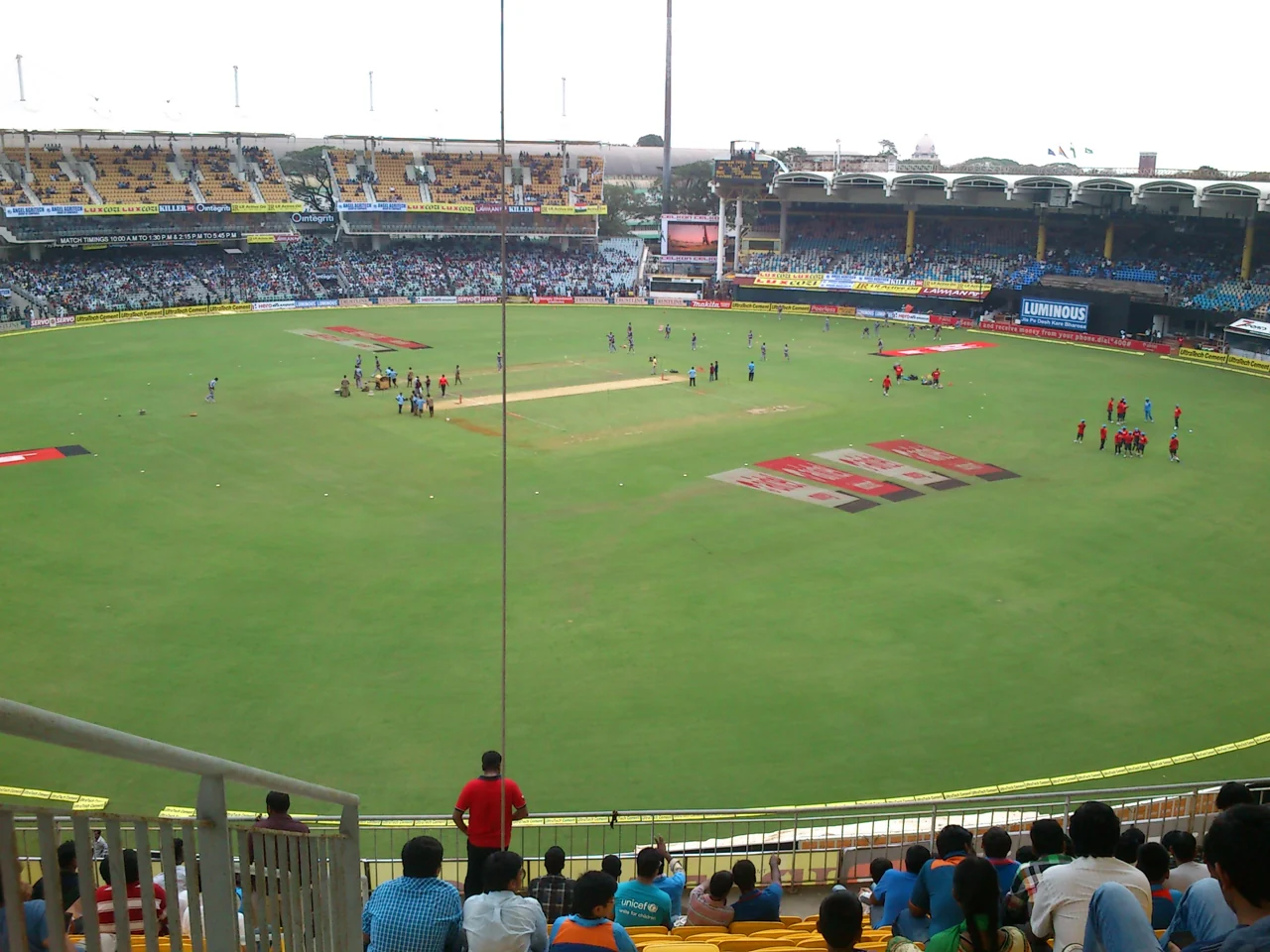
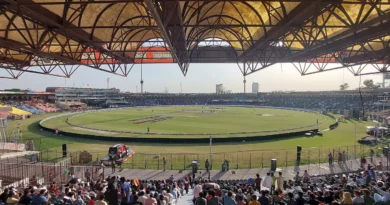
The Chennai ground above saw a Pakistan win on 30 December 2012. India had slipped to 29/5 before MS Dhoni made an unbeaten 113 to lift them to 227/6. Nasir Jamshed then carried Pakistan’s reply with 101 not out, completing a six-wicket victory.
It was a match with two memorable innings on opposite sides: Dhoni rebuilding what looked like a lost cause, Jamshed making sure the rescue did not become an Indian win. Some rivalry games reward watching both innings again.
The latest completed meeting came at Nisshin on 3 October 2026. India made 211/6 in the Asian Games final, Pakistan replied with 192/6, and India won by 19 runs.
| Date | Format | Venue | Result |
|---|---|---|---|
| 3 October 2026 | T20I | Nisshin | India by 19 runs |
| 15 February 2026 | T20I | Colombo | India by 61 runs |
| 28 September 2025 | T20I | Dubai | India by 5 wickets |
| 21 September 2025 | T20I | Dubai | India by 6 wickets |
| 14 September 2025 | T20I | Dubai | India by 7 wickets |
| 23 February 2025 | ODI | Dubai | India by 6 wickets |
| 9 June 2024 | T20I | New York | India by 6 runs |
| 14 October 2023 | ODI | Ahmedabad | India by 7 wickets |
| 10–11 September 2023 | ODI | Colombo | India by 228 runs |
| 2 September 2023 | ODI | Pallekele | No result |
India have nine wins in this ten-match sequence, with the other game ending without a result. The latest ODI was the 2025 Champions Trophy meeting in Dubai, where India chased Pakistan’s 241 to win by six wickets. The ICC’s Asian Games scorecard has the latest result.
For Pakistan, the recent run makes the next meeting a chance to change the direction of the contest. For India, it brings the pressure of maintaining an advantage that supporters have grown used to seeing. That is an appealing backdrop before either opening bowler has delivered a ball.
The players who have left the biggest mark on the rivalry
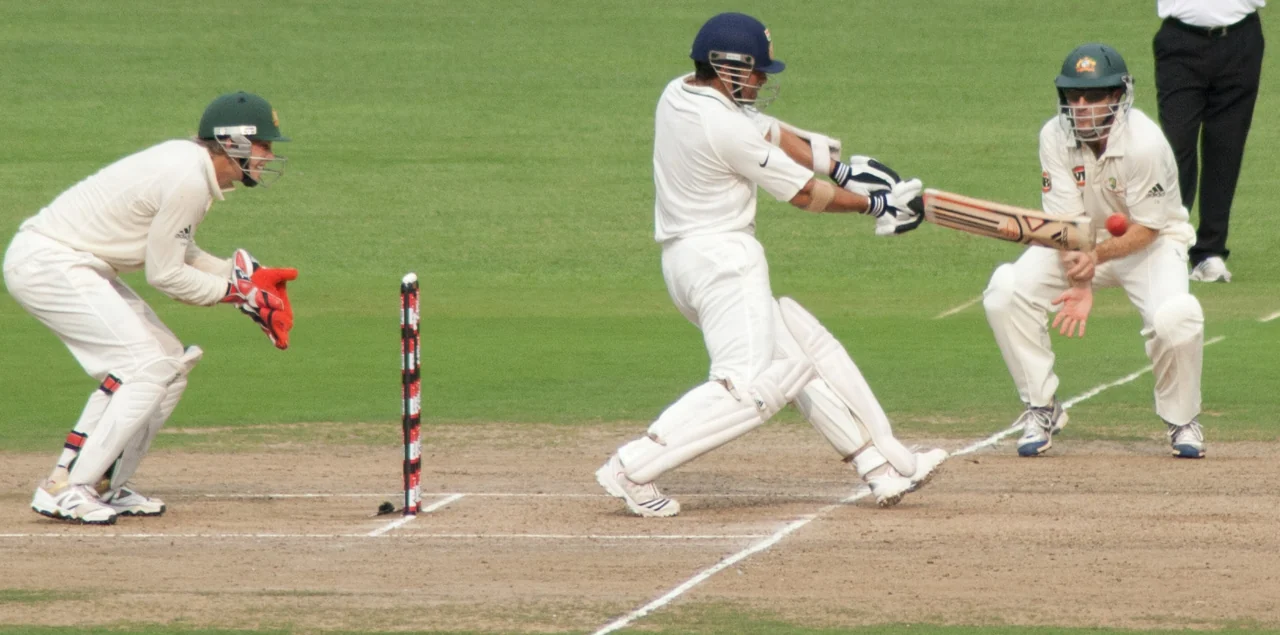
Sachin Tendulkar leads the ODI run-scoring list with 2,526 runs against Pakistan. Inzamam-ul-Haq follows with 2,403 against India. Their numbers come from years when the two countries met far more often, giving the rivalry time to build around familiar opponents.
| Batter | Team | ODI matches | Runs | Average | Highest |
|---|---|---|---|---|---|
| Sachin Tendulkar | India | 69 | 2,526 | 40.09 | 141 |
| Inzamam-ul-Haq | Pakistan | 67 | 2,403 | 43.69 | 123 |
| Saeed Anwar | Pakistan | 50 | 2,002 | 43.52 | 194 |
| Rahul Dravid | India | 58 | 1,899 | 36.51 | 107 |
| Shoaib Malik | Pakistan | 42 | 1,782 | 46.89 | 143 |
Anwar’s highest score in this table, 194, is a reminder that Pakistan’s batting history against India reaches well beyond World Cup results. Dravid’s place shows the value of long innings and difficult chases. Malik’s four ODI centuries against India made him a particularly persistent opponent.
The bowlers have their own claim on the memories. Wasim Akram leads the ODI wicket count, ahead of Saqlain Mushtaq. Aaqib Javed, Anil Kumble and Javagal Srinath are level on 54 wickets.
| Bowler | Team | ODI matches | Wickets | Best |
|---|---|---|---|---|
| Wasim Akram | Pakistan | 48 | 60 | 4/35 |
| Saqlain Mushtaq | Pakistan | 36 | 57 | 5/45 |
| Aaqib Javed | Pakistan | 39 | 54 | 7/37 |
| Anil Kumble | India | 34 | 54 | 4/12 |
| Javagal Srinath | India | 36 | 54 | 4/49 |
Some names dominate a career table; others dominate the replay of one afternoon. Amir’s 2017 final and Wahab’s Mohali five-for show why a great rivalry needs room for both. One short spell can carry as much emotional weight as years of accumulated runs.
In Tests, Javed Miandad scored 2,228 runs against India and Sunil Gavaskar 2,089 against Pakistan. In T20Is, Kohli leads with 492 against Pakistan; Rizwan leads Pakistan’s list against India with 228.
Who matters for the next ODI? If selected, Kohli’s handling of a chase, Rohit’s opening tempo and Gill’s response to the new ball will be central to India’s plans. Kuldeep Yadav offers a middle-over threat: he has 15 ODI wickets against Pakistan, including a best of 5/25.
Pakistan will look for Babar to turn a start into a substantial innings and for Rizwan to keep the middle order moving. Shaheen’s opening spell could be their quickest route to putting India under pressure. His nine ODI wickets against India include a four-wicket haul.
Bumrah’s availability will matter for India too. A bowler who can take a wicket while conceding very little changes the choices available to the captain. The final squads will decide which of these contests actually takes place, but the roles are already easy to recognise: protect the new ball, break the partnership, control the finish.
India vs Pakistan World Cup 2027: the next announced chapter
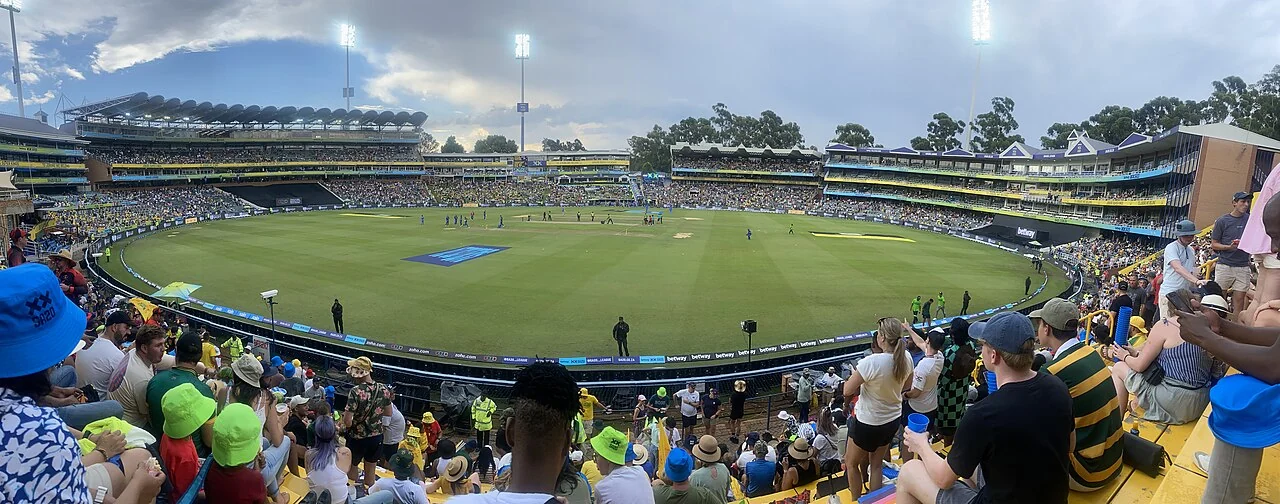
India and Pakistan are scheduled to meet in Johannesburg on 10 October 2027. The venue is Wanderers — the ground where they contested the first T20 World Cup final in 2007. Twenty years later, an ODI World Cup fixture offers a new generation its own chance to make the ground part of the rivalry.
| Fixture | Date | Venue | Status |
|---|---|---|---|
| World Cup group match | 10 October 2027 | Wanderers, Johannesburg | Announced |
| Potential Super 7 meeting | 7 November 2027 | Cape Town | Depends on qualification |
The ICC’s fixture announcement lists the group game and the later A1–A3 Super 7 slot, with India and Pakistan as the seeded teams. Both still need to qualify for that potential second meeting.
The first-ball time is still to be confirmed in the official material checked for this guide. Once the South African start is announced, Pakistan is three hours ahead and India three and a half hours ahead.
Our India vs Pakistan World Cup 2027 page has the match-specific date, venue and ticket information. For the wider tournament, see the 2027 World Cup guide. You can also follow the Pakistan and India schedules as the teams build towards it.
For Pakistan, the group match offers another opportunity to end the ODI World Cup losing sequence. For India, it is an opportunity to extend it at a ground that already holds one of their favourite rivalry memories.
Who is favourite, and how could Pakistan turn the prediction around?
Our early pick for the 2027 ODI meeting is India. Their latest three decided ODIs against Pakistan ended in wins at Colombo and Ahmedabad in 2023, then Dubai in 2025. That gives them the stronger recent direct record in the format.
Pakistan’s best route is familiar: take wickets while the ball is new, make India rebuild and leave the chase or defence with enough batting depth to finish. Shaheen against the opening pair is an obvious contest to watch. Two early wickets can change which team gets to dictate the pace.
India will want the opposite start. If the openers build a platform, Kohli and the middle order can work with a manageable game rather than repair a damaged one. Kuldeep’s ability to take wickets through the middle overs could then put pressure on Pakistan’s finish.
Babar and Rizwan’s job is to keep that pressure from becoming a collapse. A partnership that rotates strike and takes the available boundaries can make a bowler wait longer for a risky shot. The question is whether Pakistan can build that partnership while retaining enough scoring power for the last ten overs.
Selection and fitness will sharpen this assessment closer to the game. At present, India deserve the favourite’s position. Pakistan’s winning examples remain compelling: The Oval began with a reprieve, Dubai with a devastating new-ball spell. Their challenge is to produce another performance with that level of clarity and execution.
That is the attraction of the next meeting. History sets the expectation; the players still have to play the match.
India vs Pakistan questions fans ask
How many matches have India and Pakistan played? There have been 213 men’s internationals through 3 October 2026: 59 Tests, 136 ODIs and 18 T20Is.
Who has won more? Pakistan have 88 outright wins and India 81. India also won the bowl-out after their tied T20I in Durban in 2007.
Has Pakistan beaten India in a World Cup? Yes — by ten wickets in the 2021 T20 World Cup. India have won all eight ODI World Cup meetings.
Who has scored the most runs in the rivalry? Tendulkar leads the ODI list with 2,526, Miandad the Test list with 2,228 and Kohli the T20I list with 492.
Who won their last match? India won the Asian Games final at Nisshin on 3 October 2026 by 19 runs. India also won the latest ODI, in the 2025 Champions Trophy, by six wickets.
When is the 2027 World Cup match? The announced group fixture is 10 October at Wanderers, Johannesburg. A second meeting in Cape Town depends on qualification.
Another rivalry to relive: Pakistan vs Australia brings Wahab against Watson, two unforgettable semi-final finishes and the Pakistan wins that changed the mood, alongside head-to-head records and the next World Cup fixture.
Another Indian rivalry to relive: India vs Australia follows Tendulkar’s Sharjah double, Laxman and Dravid at Kolkata, Pant’s Gabba finish and Head’s World Cup final, alongside records and the next scheduled matches.
Keep reading: India vs Pakistan World Cup 2027 · 2027 tournament guide · Cricket Hub.
Which moment do you still replay: Miandad’s six, Amir’s spell, Shaheen’s opening burst or Kohli at the MCG? Tell us your pick in the comments.