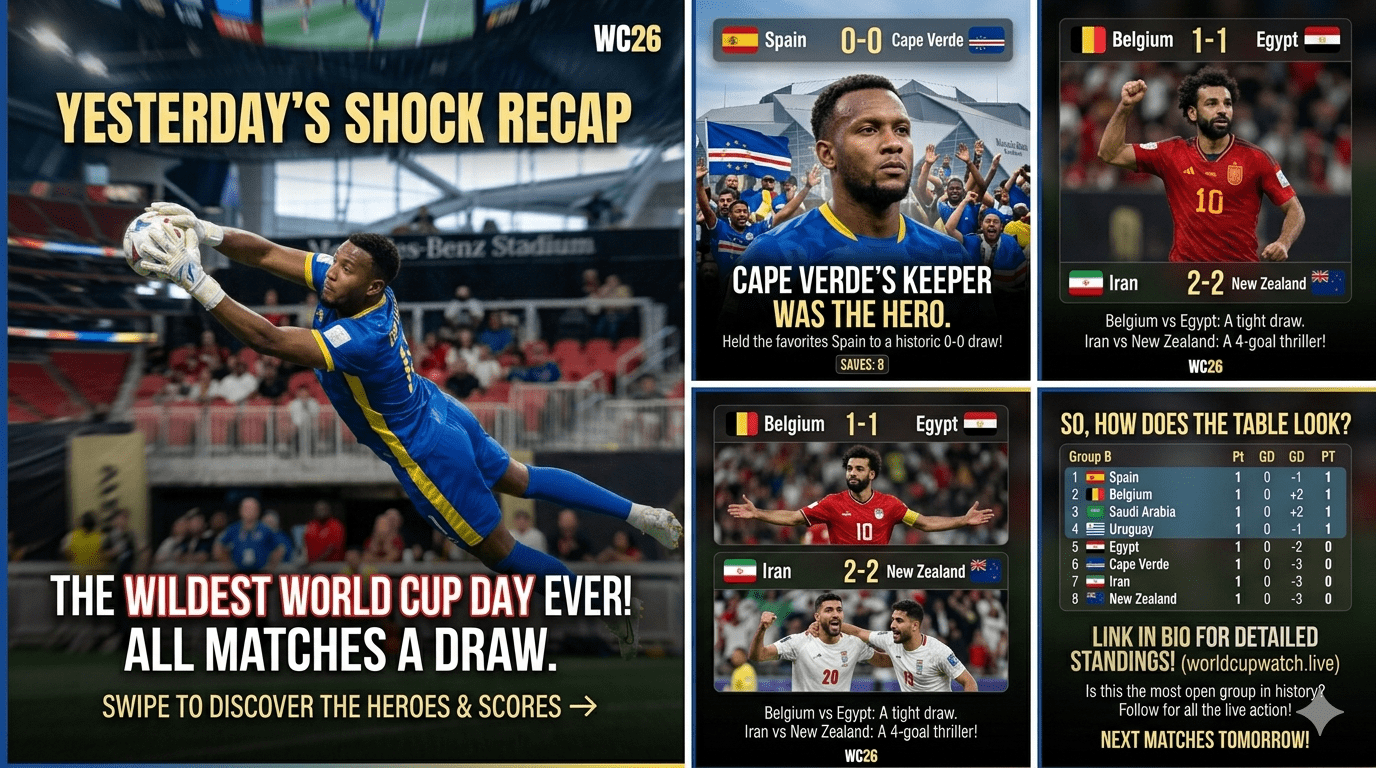
FIFA World Cup 2026: Analyzing the Top Contenders and Their Performance

Introduction: The Road to FIFA World Cup 2026

The FIFA World Cup 2026, a pinnacle event in international football, is set to capture the hearts and minds of millions around the globe. As the first World Cup to feature 48 teams instead of the traditional 32, this upcoming edition promises to deliver an unprecedented level of excitement and competition. The tournament will take place across three host nations: the United States, Canada, and Mexico, marking a historic collaboration as these countries join forces to welcome football enthusiasts.

With the World Cup frequently regarded as the most prestigious tournament in the sport, stakeholder interest has surged. Fans are eagerly anticipating not only their national teams’ performances but also the extraordinary talent that will be showcased on this global stage. This inclusive format is designed to allow more countries to compete, broadening the representation in football’s signature event and increasing participation from various regions.

The 2026 tournament will feature a revised structure, incorporating an initial group phase followed by a knockout round, ultimately culminating in a grand final. As nations prepare through their respective qualification campaigns, the atmosphere is being charged with speculation over which teams are best positioned to excel. The emergence of new footballing nations alongside established powerhouses creates a compelling narrative as teams vie for supremacy.

This edition’s excitement stems not only from the larger competition pool but also the increasing quality and competitiveness of international teams. Fans and analysts alike are closely monitoring the rising stars of various football leagues globally, making it a thrilling lead-up to an event that is expected to be a milestone in football history. As anticipation builds, the attention will turn towards analyzing the strengths and weaknesses of potential contenders for this prestigious trophy.

Historical Performers: Teams with a Tradition of Success

The FIFA World Cup, established in 1930, has seen a variety of national teams rise to prominence. Among these, Brazil, Germany, and Italy stand out as historical powerhouses, demonstrating remarkable consistency and excellence throughout the tournament’s history. These teams not only showcase skill on the pitch but also possess a rich heritage that has significantly influenced the game of football.

Brazil, known for its flair and attacking football, has secured the World Cup title a record five times, with their victories occurring in 1958, 1962, 1970, 1994, and 2002. The team’s success can be attributed to legendary players, such as Pelé, Zico, and more recently, Neymar. Their ability to produce world-class talent consistently has kept Brazil at the forefront of international competitions, making them perennial favorites.

Germany, on the other hand, brings a distinct tactical discipline to the World Cup stage. With four championships to their name—1954, 1974, 1990, and 2014—Germany emphasizes teamwork and strategic gameplay. The nation has a history of performing well in crucial matches, evidenced by their impressive run to the semifinals or beyond in numerous tournaments. Players like Franz Beckenbauer and Miroslav Klose have played pivotal roles in their legendary status within the sport.

Italy stands as another formidable contender, claiming the World Cup four times as well, with victories in 1934, 1938, 1982, and 2006. The Italian style, often characterized by defensive excellence and counter-attacking strategies, helped them secure success over decades. Legendary figures like Gianluigi Buffon and Antonio Conte have contributed to Italy’s reputation as a football powerhouse.

In summary, Brazil, Germany, and Italy exemplify the essence of World Cup greatness. Each team brings its unique style and legacy, making them respected and feared adversaries in every tournament. As the FIFA World Cup 2026 approaches, these historical performers will undoubtedly aim to add to their impressive records and further enrich the competition’s legacy.

Current Form: Analyzing Recent Performances in International Football

The path to the FIFA World Cup 2026 has been marked by a series of pivotal international fixtures, providing a snapshot of the current form of various national teams. Recent performances highlight trends in both qualifying matches and friendly games, serving as indicators of which teams may enter the tournament with momentum. As we analyze these performances, it is essential to recognize that the competitive nature of international football can be unpredictable, yet certain patterns have emerged.

One of the leading contenders, Brazil, has showcased remarkable consistency in their recent outings. With a combination of tactical fluidity and individual brilliance, Brazil has not only secured victories but has also done so with impressive goal differentials in the qualifying stages. Their recent matches reflect a team that has adapted well to both opponents and challenging conditions, making them a formidable force as they approach the World Cup.

Similarly, reigning champions France have demonstrated resilience and depth in their squad. Despite facing a few hurdles, their ability to recover and perform at crucial moments has kept them at the forefront of international football. Analysis of their fixtures reveals a high level of teamwork and strategy, suggesting that they are well-prepared to defend their title.

On the other hand, teams such as Argentina and Germany have experienced fluctuating performances recently. Argentina’s integration of young talent alongside experienced players has produced mixed results, while Germany’s return to form seems to be in progress after a series of ups and downs. Both teams are expected to refine their approaches as the World Cup approaches, aiming to harness their strengths to secure successful runs in the tournament.

In conclusion, as the FIFA World Cup 2026 draws closer, it is evident that analyzing the current form and recent performances of national teams is crucial. The statistics from recent fixtures underscore the trends that may define the competition ahead, pointing to a field of contenders that are increasingly vying for supremacy on the global stage.

Rising Stars: Emerging Players to Watch in FIFA 2026

As the FIFA World Cup 2026 approaches, the anticipation surrounding emerging talents continues to grow. Young players poised to make their mark in this significant tournament are already showcasing remarkable skill at both club and international levels. Their performances have not only garnered attention but also elevated expectations as they prepare to represent their nations on the global stage.

One standout to keep an eye on is Jude Bellingham from England. The young midfielder has rapidly ascended the ranks of professional football, demonstrating technical prowess and maturity far beyond his years at Real Madrid. Bellingham’s vision, coupled with his ability to dictate the pace of the game, will be integral for England’s aspirations in the World Cup. His presence on the field undoubtedly adds a dynamic aspect to the team’s strategy.

Another emerging star is Pedri, who plays for Spain. The FC Barcelona midfield prodigy has gained significant recognition for his vision and intelligence on the pitch. At just 20 years old, Pedri has established himself as a key figure in the Spanish national team. His creativity and ball control are expected to unlock defenses, and his impact during the tournament may play a pivotal role in Spain’s success.

Furthermore, Giovanni Reyna represents the United States as an exciting young talent. Currently playing for Borussia Dortmund, Reyna combines agility with technical skill. His ability to change the game’s rhythm and create scoring opportunities makes him a player to watch in the World Cup. His participation could inspire a generation of footballers in the U.S. and elevate the nation’s status in international football.

These players exemplify the new generation of football talent that will feature prominently in FIFA 2026. Their respective journeys will be closely monitored as they aim to make their individual marks, with the potential to significantly contribute to their national teams’ successes.

Tactical Trends: Success Strategies of Top Teams

As the FIFA World Cup 2026 approaches, an examination of the tactical trends employed by leading teams reveals a wealth of insights into their success strategies. Successful international teams often exhibit a blend of pragmatic approaches combined with innovative tactics, adapting their formation and style of play to outmaneuver opponents during critical matches. A prominent example is the use of the 4-3-3 formation, which allows teams to maintain possession, press effectively, and provide width in their attacking play; this has been adopted by teams like France and Spain.

Coaching philosophies are integral to the effectiveness of these strategies. Managers like Roberto Mancini and Didier Deschamps emphasize flexibility, encouraging their players to adapt to different game scenarios. This adaptability is essential not only during different phases of a match but also in response to the tactical setups of the opposition. For instance, a team might start with a high pressing game but shift to a more compact defensive shape when facing stronger opponents, demonstrating an understanding that the game context often dictates the required approach.

Moreover, the psychological aspect of gameplay cannot be overlooked. Successful teams often display resilience, a product of thorough preparation and a strong team ethos. This is particularly vital in high-stakes tournaments where the pressure can affect performance. Teams that foster a culture of mental fortitude and collective responsibility tend to overcome challenges more effectively. Players trained under such environments can handle the rigors of international play better, which is evidenced by past World Cup victors.

In summary, the tactical trends highlighting the success strategies of top teams at the FIFA World Cup reveal a complex interplay of formations, coaching philosophies, and mental resilience. As teams refine their methods leading up to 2026, these insights into their tactical flexibility will be crucial for analysts and fans alike, providing a fascinating lens through which to understand their potential performance in the tournament.

Group Stage Analysis: Key Matches and Predictions

The group stage of the FIFA World Cup 2026 promises to deliver a series of compelling matchups, setting the stage for thrilling encounters among the top contenders. Each group is poised to showcase elite football, with teams from various confederations bringing diverse playing styles and strategies to the tournament. This phase will not only determine which teams advance but also influence overall momentum heading into the knockout rounds.

Among the standout matches, the contest between European champions and South American favorites is expected to be pivotal. Historical performances indicate that these encounters often produce intense rivalries, and the tactical approaches employed by both coaches will be vital. For instance, if a team like France faces Brazil, analysis of their recent qualifications and head-to-head results will be essential in making accurate predictions. Historically, Brazil’s flair and attacking prowess have often clashed with France’s organized defense and quick counter-attacks, making their match a must-watch.

Additionally, the matchups within groups that feature multiple previous World Cup champions could also lead to unexpected outcomes. Teams such as Argentina, Italy, and Germany are always keen to assert dominance early in the tournament. Analysts suggest that these matches could be determined by the fitness and form of key players, as well as adaptability to the distinct styles of different opponents. The importance of early victories cannot be underestimated, as they can significantly boost a team’s confidence while undermining the morale of their rivals.

As we delve deeper into performance predictions, attention should also be paid to emerging teams that have shown significant improvement in recent years. Nations like Mexico and Nigeria consistently deliver surprises, often performing above expectations in high-pressure situations. Assessing their trajectory through qualifying rounds allows us to gauge their potential impact in the group stage, further enriching the World Cup narrative.

Injury Concerns: Impact on Favorite Teams

The FIFA World Cup is an event often marred by the unpredictability of player injuries, which can significantly alter the dynamics of the tournament. As we approach the 2026 World Cup, concerns surrounding the fitness of key players for top contending teams remain paramount. Historically, injuries have played a pivotal role in determining outcomes in past tournaments, affecting not only the performance of teams but also the overall excitement of the competition.

For instance, during the 2014 World Cup, Brazil faced a catastrophic setback when star player Neymar sustained a serious injury, leading to the team’s ultimate downfall in the semi-finals against Germany. This situation exemplifies how a single injury can derail the aspirations of a nation. Similarly, the 2018 World Cup witnessed the absence of several key players who were sidelined due to injuries, thus altering the tactical approach and overall strength of certain squads.

As we analyze the top contenders for the upcoming tournament, the potential absence of crucial players due to injury may create ripple effects throughout the competition. Teams such as France, Germany, and Brazil, all of whom have star players whose physical condition influences their tactical setups, must monitor their squads carefully. For instance, if France’s Kylian Mbappé were to suffer an injury before or during the World Cup, it would not only affect France’s chances but could also impact their opponents’ strategies, as teams would prepare differently against a weakened squad.

In conclusion, the potential impact of injuries on favorite teams ahead of the FIFA World Cup 2026 cannot be overstated. The historical trends indicate that teams with superior squad depth may have a better chance of overcoming such adversities, while those heavily reliant on a few key players could see their World Cup dreams dashed by injuries. As we await the unfolding of this prestigious event, the health and fitness of athletes will undoubtedly shape the narrative of the tournament.

Fan Engagement and Support: The Role of Fan Base

During the FIFA World Cup, the role of fan engagement and support cannot be underestimated. Fans are not just observers; they are a crucial element that can significantly influence the success of their teams. The passion and dedication exhibited by fanbases contribute to the overall atmosphere of the tournament, often elevating players’ performances through sheer motivation and unwavering support.

The experience of players on the field can be profoundly impacted by the energy of their supporters. For instance, home advantage in football is often attributed to the enthusiastic backing from local fans. The fervent chants, vibrant displays, and unyielding loyalty create an environment that can disrupt opponents and inspire the home team. Historical instances, such as the 1998 FIFA World Cup, demonstrate that crowds can sway matches; the fervent support for the French national team culminated in their eventual victory, with the fans playing a pivotal role in enhancing the players’ morale.

Moreover, social media has transformed the way fans engage with teams and fellow supporters. Prior to and during the tournament, fan excitement is expressed through various platforms, generating a sense of community and belonging. Teams often leverage this support to bolster their brands and create a united front, further enhancing the fan experience. Such engagement not only solidifies existing loyalty but also attracts new supporters, thereby expanding the fanbase.

While professional athletes are trained to perform under pressure, the support from their fans can be the catalyst needed to propel them during critical moments in matches. As we approach the FIFA World Cup 2026, understanding the dynamics of fan engagement becomes essential in assessing the potential contenders and their ability to harness the power of their supporters effectively.

Conclusion: Predicting the Favorites for World Cup 2026

The FIFA World Cup, a prestigious event that brings together the best national teams from around the globe, has always been a fascinating spectacle. As we conclude our analysis of the top contenders for the World Cup 2026, we can draw on the insights gathered from historical performance, recent qualifications, and current form of key players and teams.

Historically, teams such as Brazil, Germany, Italy, and Argentina consistently perform well, maintaining a strong track record in international tournaments. Brazil remains a powerhouse, thanks to their talented squad and rich football heritage. Germany, known for its tactical discipline, continues to be a formidable opponent, while Italy’s resilience and strategic prowess cannot be overlooked. Argentina’s recent successes with a mixture of experienced players and emerging stars have put them in a favorable position as well.

Additionally, the rise of teams such as France, Spain, and England indicates a changing landscape where established powers might face stiff competition. France’s blend of youth and experience, coupled with their depth in talent, makes them a leading contender. Spain continues to evolve, showcasing a strong foundation built on their technical game. England’s recent performances, highlighted by a young, dynamic squad, hint at their potential to compete fiercely.

Overall, while it is challenging to predict the outright favorite for World Cup 2026, the aforementioned teams possess various strengths that could propel them to victory. Their capabilities, combined with ongoing developments in player form and team dynamics, make them the squads to watch closely as preparations for the tournament unfold. As the global football community gears up for this monumental event, the excitement surrounding these contenders remains palpable.